

Orthodontic Treatment for Underbite
Imagine someone smiling in the mirror and noticing something feels “off.” Their lower teeth sit in front of the upper teeth. Chewing feels a little awkward. Maybe certain words are harder to say clearly. Maybe they have already searched things like how to fix underbite naturally or how to treat underbite with braces, but every website gives a different answer.
That is where a proper orthodontic evaluation matters.
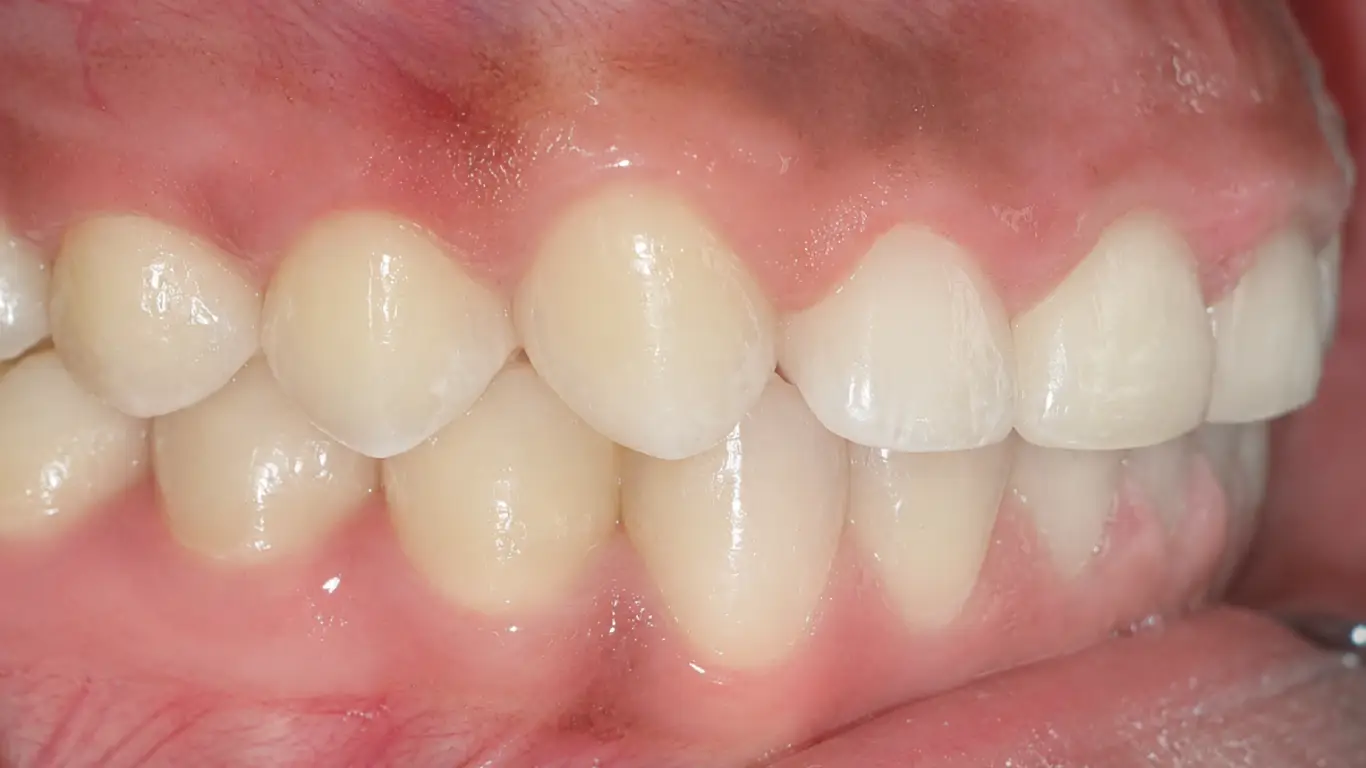
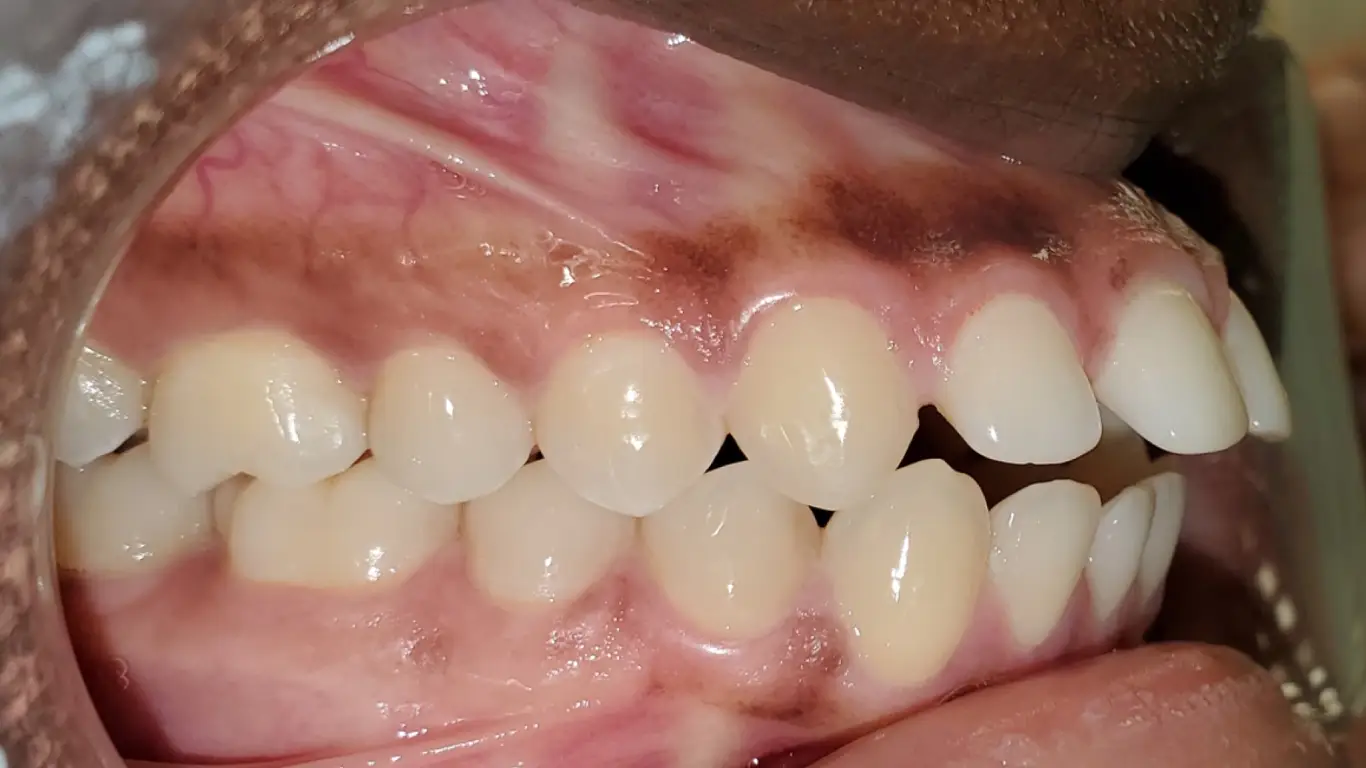
An underbite is more than a cosmetic concern. It is a type of bite problem where the lower front teeth extend beyond the upper front teeth. In some cases, it is mild. In others, it can affect chewing, speech, jaw comfort, tooth wear, and confidence.
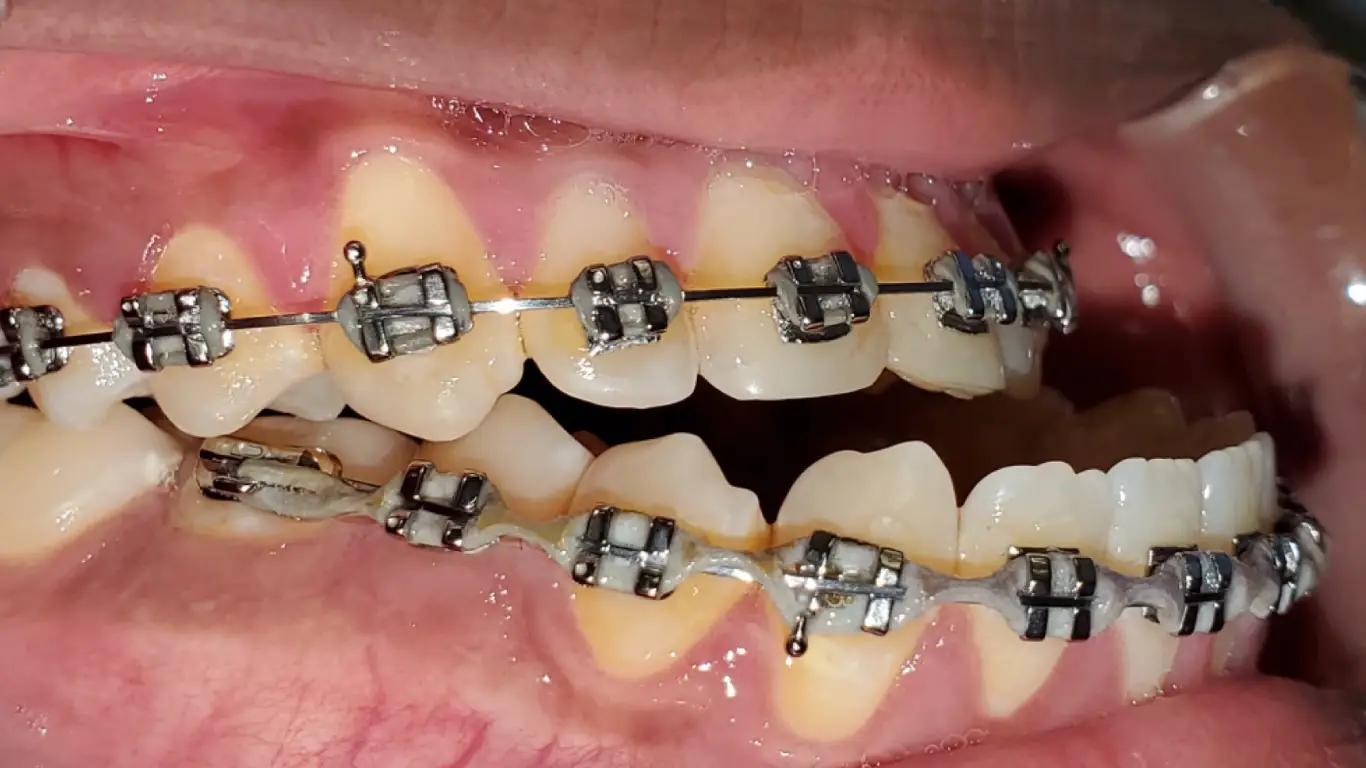
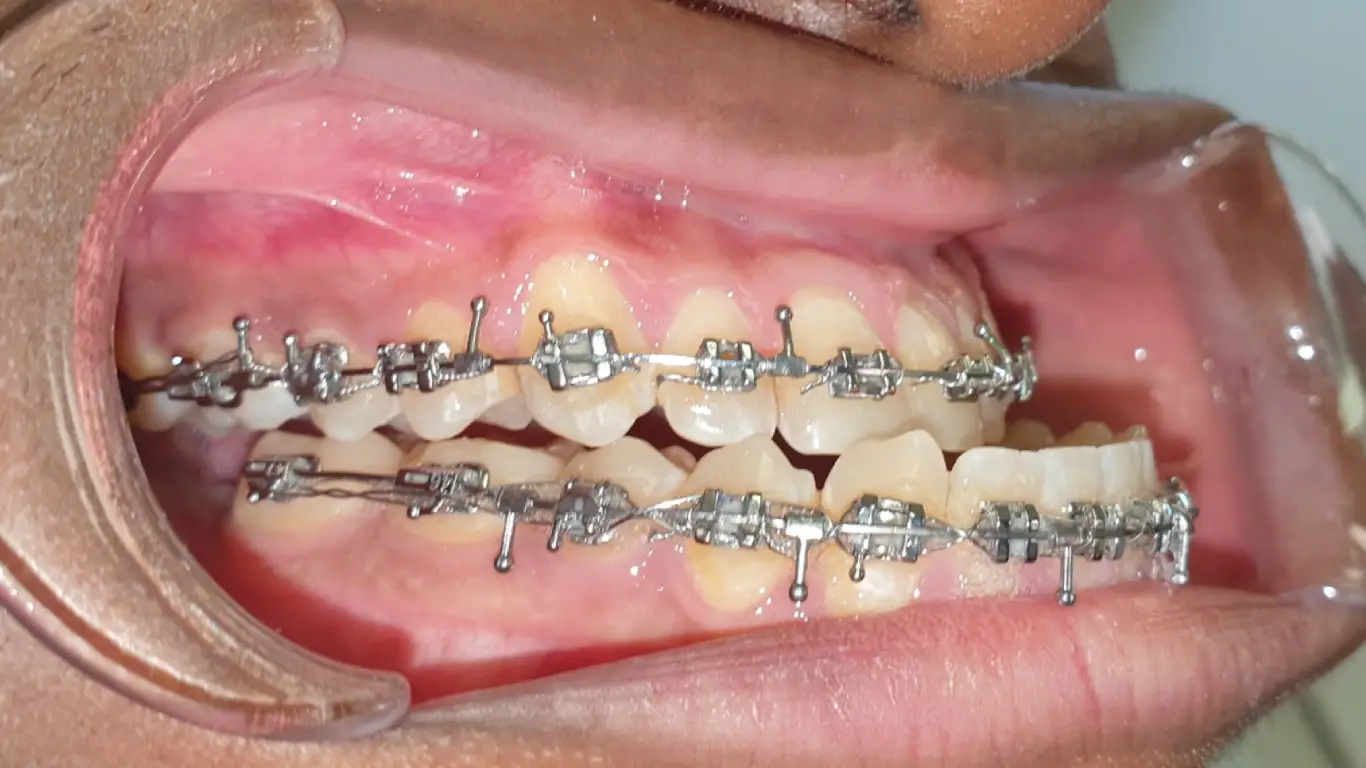
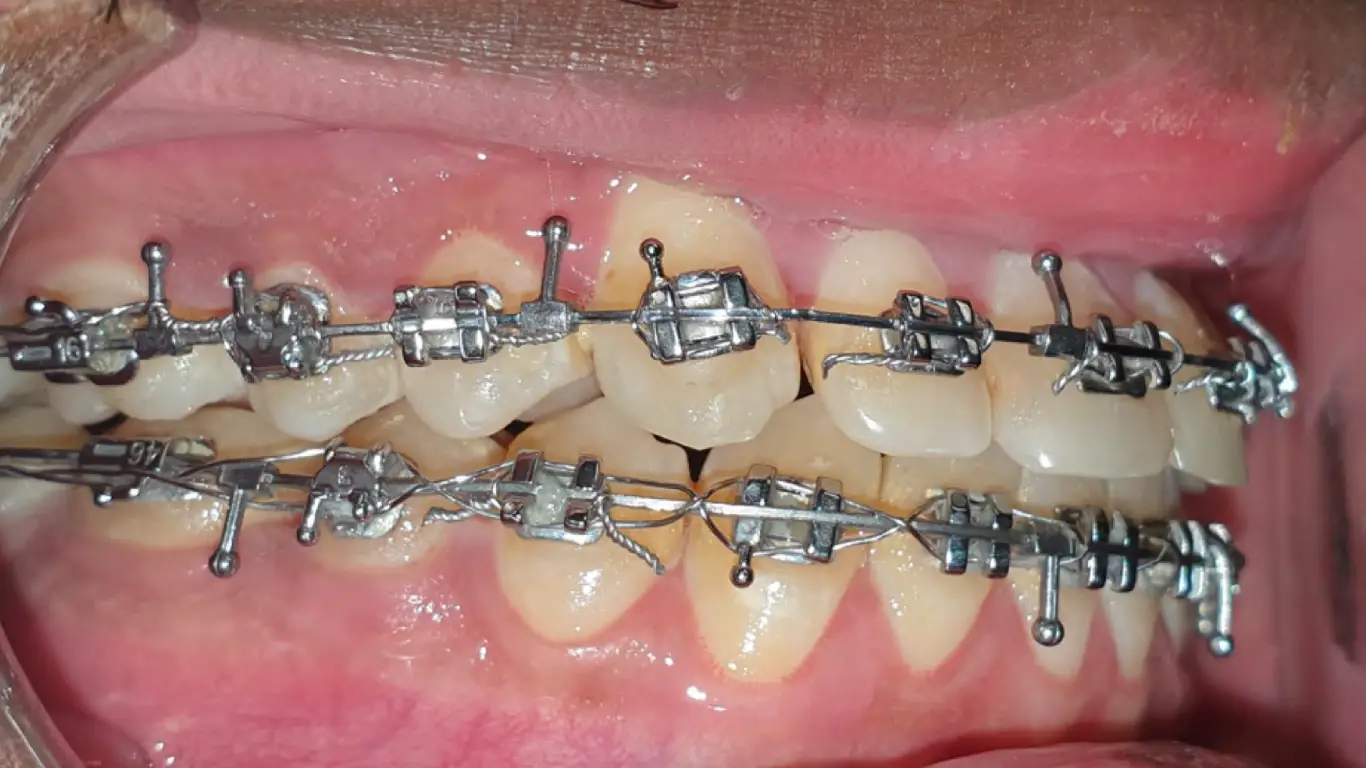
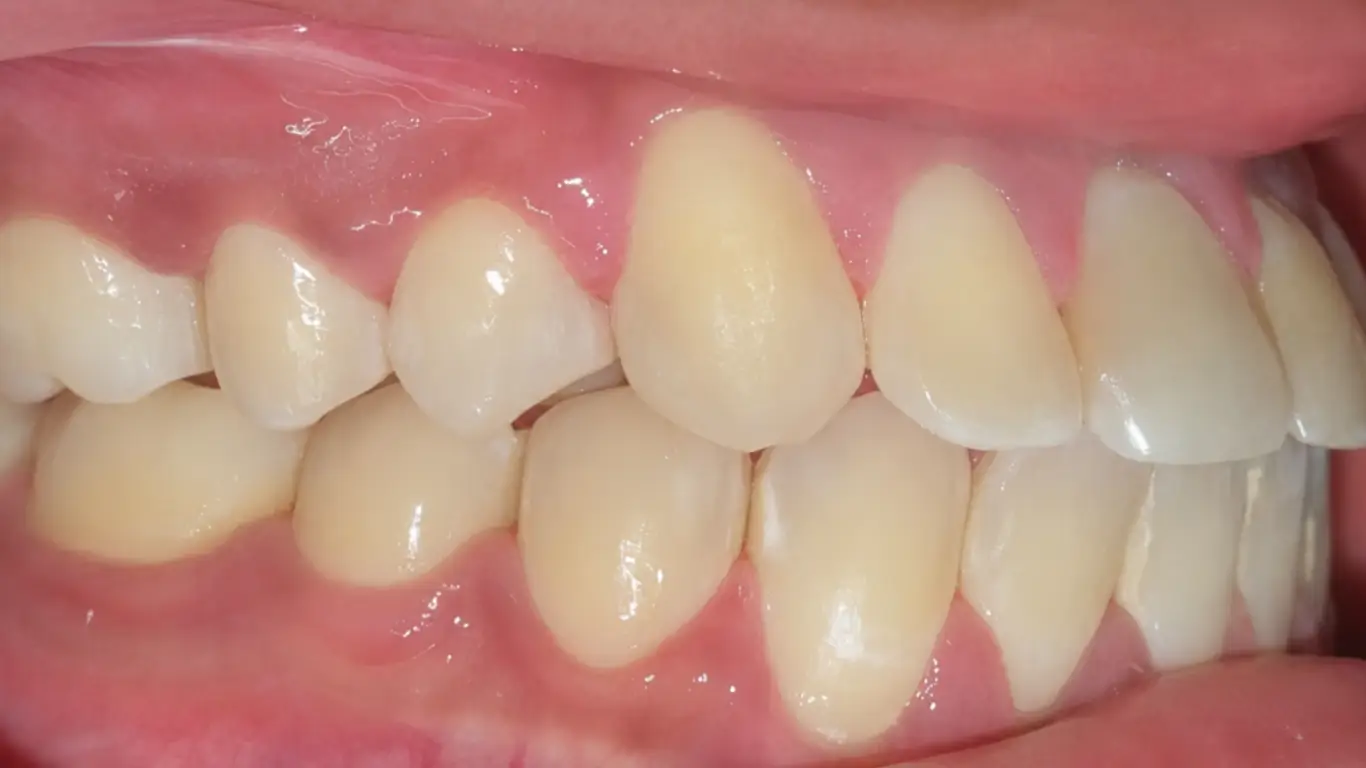
What Is an Underbite?
An underbite happens when the lower teeth or lower jaw sit too far forward compared with the upper teeth or upper jaw. Dentists and orthodontists often describe this as a form of malocclusion, which simply means the upper and lower teeth do not fit together properly when the mouth closes.
The cause can be different from person to person. Sometimes it is mainly a tooth-position problem. Sometimes it is related to jaw growth. In many cases, genetics plays a role. That is why two people can both have an underbite, but need completely different treatment plans.
Read More: Crowded Teeth
Why Underbite Correction Matters
Some people think underbite correction is only about appearance. A balanced smile is important, but function matters too.
An untreated underbite may make biting and chewing harder. It can also contribute to jaw discomfort, speech issues, tooth wear, gum problems, or TMJ-related symptoms depending on severity.
That is why the goal of orthodontic treatment for underbite is not just to “make teeth look straight.” The real goal is to improve how the bite works, how the teeth meet, and how stable the result can be over time.
Read More: Crooked Teeth
Can You Fix an Underbite Naturally?
This is one of the most common questions online: how to fix underbite naturally?
The honest answer is: you usually cannot naturally move the jaw or teeth into the correct position in a safe and predictable way without professional care.
Good oral habits may help children avoid some bite-related problems from getting worse. For example, limiting prolonged thumb-sucking or pacifier use after early childhood may reduce certain bite risks. But once a real underbite is present, especially if it involves jaw position, natural methods like exercises, chewing tricks, or DIY devices are not a reliable fix.
The safest first step is an orthodontic exam. The orthodontist may use photos, X-rays, bite analysis, and digital scans to understand whether the issue is dental, skeletal, or both.
Orthodontic Treatment Options for Underbite
There is no one-size-fits-all treatment. The best plan depends on age, jaw growth, severity, tooth position, and overall oral health.
Common options may include:
Braces and retainers
Braces can gradually move teeth into better alignment. After treatment, retainers help hold the teeth in their new position.
Palate expanders or growth modification appliances
For children and teens whose jaws are still developing, orthodontists may use appliances that guide jaw growth or improve upper jaw width.
Tooth extraction in selected cases
If crowding contributes to the bite problem, removing specific teeth may create space for better alignment. This is not needed for everyone.
Jaw surgery for severe adult cases
In some adults, the jaw position may be too severe for braces alone. Jaw surgery may be considered when braces cannot fully correct the skeletal issue. Mayo Clinic notes that jaw surgery can help align the jaws and teeth so they work better together.
Read More: Orthodontics Before and After
How to Treat Underbite With Braces
Many patients search for how to treat underbite with braces because braces are one of the most familiar orthodontic options.
Braces work by applying controlled pressure to teeth over time. For a mild or moderate underbite caused mostly by tooth position, braces may help move the teeth into a better bite relationship. Sometimes elastics are used with braces to help guide how the upper and lower teeth meet.
However, if the underbite is mainly caused by jaw size or jaw position, braces alone may not be enough. In those cases, braces may still be part of treatment, but they may be combined with growth appliances in younger patients or surgery in severe adult cases.
This is why diagnosis matters. Two people can both have an underbite, but one may need braces only, while another may need a more advanced plan.
Read More: Orthodontics for Teenagers
Questions to Ask Before Starting Underbite Treatment
Before starting orthodontic treatment for underbite, it is important to understand what is actually causing the bite problem. A good consultation should not just tell you what treatment you need. It should also explain why that treatment makes sense for your case.
Here are some helpful questions to ask your orthodontist:
Is my underbite dental or skeletal?
This is one of the most important questions. A dental underbite usually means the teeth are positioned in a way that creates the underbite. A skeletal underbite usually means the jaw position or jaw growth is the main reason.
This matters because dental underbites may often be treated with braces or other orthodontic appliances, while more severe skeletal underbites may need a different treatment plan.
Can braces fix my underbite?
Braces can help many underbite cases, especially when the issue is mostly related to tooth position. Your orthodontist may also use elastics or other appliances to help guide the bite into a better position.
However, if the underbite is mainly caused by jaw structure, braces alone may not fully correct it. That is why an orthodontic exam, X-rays, and bite analysis are so important before choosing a treatment.
How long will treatment take?
The treatment timeline depends on the severity of the underbite, the patient’s age, jaw growth, tooth movement, and the type of treatment needed.
A mild case may take less time, while a more complex underbite correction may take longer. Your orthodontist should give you a realistic estimate after checking your bite properly.
Will I need surgery?
Not every underbite needs surgery. Many mild or moderate cases can be improved with orthodontic treatment, especially when treatment starts at the right age.
Surgery may only be discussed in more severe adult cases where the jaw position cannot be corrected with braces or appliances alone. If surgery is needed, your orthodontist should explain why and how it fits into the full treatment plan.
What happens after treatment?
After underbite correction, the goal is to keep the teeth stable and maintain the improved bite. Your orthodontist will usually check how your teeth fit together, review your final results, and explain the next steps.
This may include follow-up visits and a retention plan to help protect the progress made during treatment.
Do I need retainers?
In most orthodontic cases, retainers are needed after treatment. They help hold the teeth in their new position and reduce the chance of shifting.
Your orthodontist will explain what type of retainer you need, how often to wear it, and how to take care of it. This step is important because underbite correction does not end the day braces or appliances come off. Retention is part of keeping the result stable.
Read More: Crooked Canine Teeth
Best Age to Treat an Underbite
Early evaluation is important. Children are often easier to treat because their jaw bones are still developing. Based on the American Association of Orthodontics, children should have an initial orthodontic examination by age 7, because early assessment can help detect tooth and jaw issues before they become more severe.
This does not mean every 7-year-old needs braces. It means an orthodontist can check growth, bite development, jaw position, and spacing to decide whether treatment is needed now or later.
Underbite vs Overbite: What Is the Difference?
People often confuse underbite and overbite.
An underbite means the lower front teeth sit in front of the upper front teeth. An overbite means the upper teeth overlap the lower teeth more than they should.
So, orthodontic treatment for overbite and underbite may both involve braces or aligners, but the mechanics are different. An overbite often needs correction of excessive upper tooth overlap. An underbite may need correction of lower teeth position, upper jaw position, lower jaw position, or a combination.
That is why copying someone else’s treatment plan is never a good idea. Bite correction should be personalized.
Read More: Crooked Teeth
What Happens During an Orthodontic Consultation?
A good orthodontic consultation should feel like a clear roadmap, not a sales pitch.
The orthodontist may check:
- How the upper and lower teeth meet
- Whether the underbite is dental, skeletal, or both
- Jaw growth pattern
- Tooth crowding or spacing
- Facial balance
- Gum and tooth health
- Whether braces, aligners, appliances, or surgery may be needed
Dental X-rays may also be used to see the exact position of the teeth and jaws.
By the end, the patient should understand the problem, the treatment choices, the expected timeline, and the reason behind each recommendation.
Read More: Cosmetic Teeth Straightening
Final Thought: Start With the Right Orthodontic Evaluation
The best orthodontic treatment for underbite always starts with a proper diagnosis. Some underbites can be corrected with braces or other orthodontic appliances, while more severe cases may need a more advanced treatment plan. That is why guessing, waiting too long, or trying DIY methods is not the safest approach.
At York Orthodontics, patients can get a personalized evaluation to understand what is causing their underbite and which treatment option may work best for them. Whether the concern is underbite correction, braces, bite alignment, or overall smile improvement, the team focuses on creating treatment plans based on each patient’s needs.
York Orthodontics has two convenient locations in North York and Thornhill, making it easier for patients in the Toronto area to access professional orthodontic care.