

Orthodontics for Teenagers
Orthodontic for teenagers can address crowded or spaced teeth, protruding teeth and bite problems such as an overbite, underbite or crossbite. Adolescence is a common time to begin comprehensive treatment because many permanent teeth have erupted and some facial and jaw growth may remain.
The right treatment is not determined by age alone. An orthodontist considers the teenager’s teeth, bite, jaw relationships, stage of growth, oral health and ability to follow treatment instructions. Depending on these findings, orthodontic treatment for teens may involve metal braces, ceramic braces, clear aligners or another orthodontic appliance.
Quick Answer
The best orthodontic treatment for a teenager is the option that can safely address their specific tooth and bite problem while fitting their ability to manage treatment. Fixed braces work continuously and do not depend on remembering to wear an appliance, while clear aligners require consistent daily wear. Some bite problems may also require elastics, expansion or another appliance. An in-person orthodontic assessment is necessary before deciding which treatment is most appropriate.
Why Orthodontics for Teenagers?
Adolescence is a common time for orthodontic treatment because many permanent teeth have erupted and crowding, spacing and bite relationships can be evaluated more completely. Some facial and jaw growth may also remain, which can influence the timing and planning of treatment for certain bite problems.
However, there is no single ideal age for every teenager. Two patients of the same age may be at different stages of dental eruption and skeletal development. An orthodontist therefore considers the teen’s teeth, bite, growth pattern and treatment needs rather than relying only on chronological age.
Teenagers may also be ready to take greater responsibility for brushing, flossing, wearing elastics and managing clear aligners. This participation is important because oral hygiene, appliance care and following instructions can affect treatment progress.
Although the American Association of Orthodontists recommends an initial orthodontic check-up by age seven, evaluation at that age does not mean every child needs immediate treatment. Many patients begin comprehensive orthodontic treatment during adolescence, and it is not too late to request an assessment if an earlier evaluation did not occur.
Read More: Orthodontists Vs Dentists
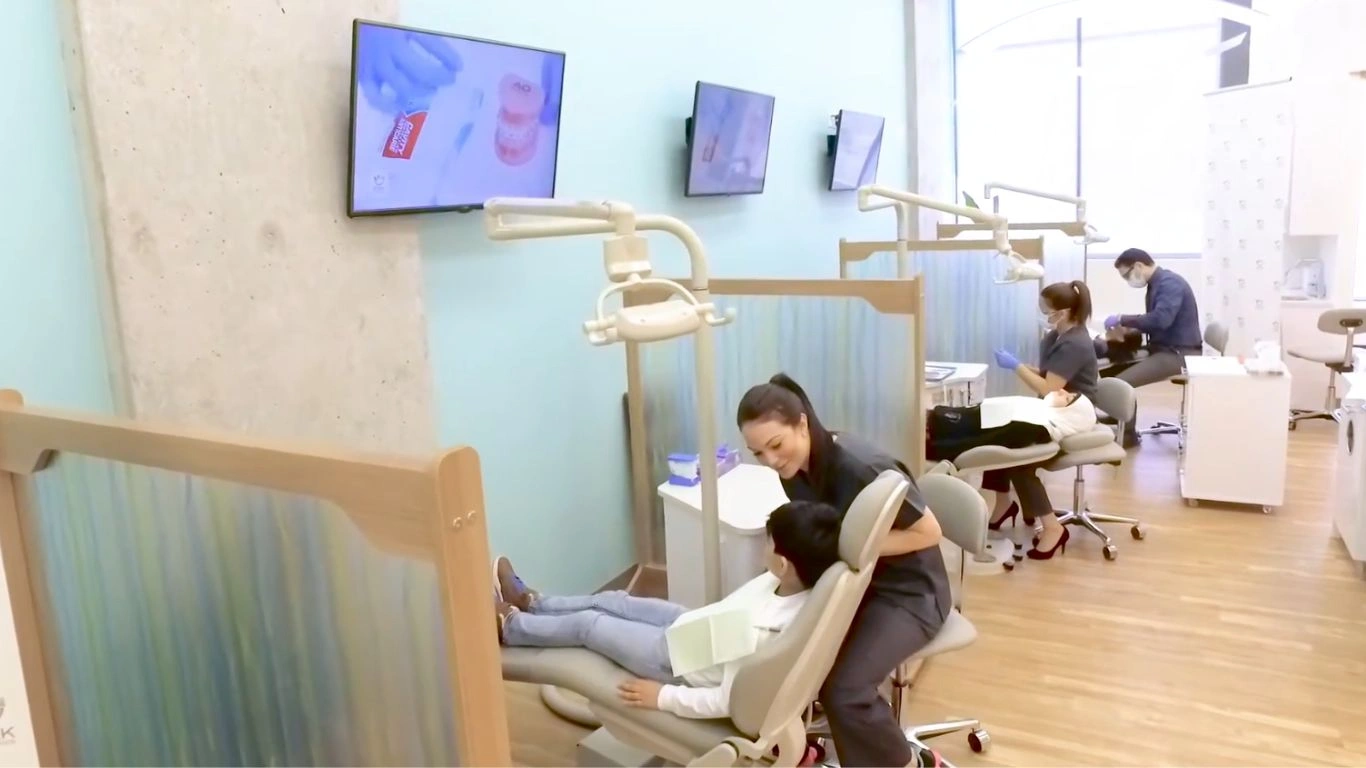
What Are the Best Orthodontic Treatments for Teens?
Parents searching “what are the best orthodontic treatments for teens?”
usually want a clear starting point:
The best orthodontic treatments for teens are the ones that match the teen’s bite problem and the teen’s ability to follow instructions (especially for removable trays).
The best orthodontic treatment for a teenager is the option that matches their diagnosis, required tooth movements, stage of growth and ability to follow treatment instructions. There is no treatment that is best for every teen.
The main orthodontic treatment options for teenagers include:
- Metal braces: Fixed brackets and wires that work continuously and can address many types of tooth and bite problems.
- Ceramic braces: Fixed braces that use less noticeable tooth-coloured or clear brackets.
- Clear aligners: Removable trays that gradually move the teeth and require consistent wear and careful handling.
- Additional orthodontic appliances: Some teenagers may need elastics, an expander or another appliance as part of their treatment plan.
An orthodontist must examine the teeth and bite before recommending one of these options. The decision may depend on the complexity of the required movements, remaining facial growth, oral hygiene, lifestyle preferences and whether the teenager can reliably manage removable appliances.
Read More: Do retainers push teeth back?
Different Types of Orthodontic Treatment for Teens
When it comes to orthodontic treatment for teens, there are several effective options; each has its own benefits and potential drawbacks. The choice depends on individual needs and preferences. Let’s discover them together.
Traditional metal braces
- Effectiveness for many orthodontic problems
- Durability
- Coloured elastic options
- Visibility as a consideration
- Temporary irritation or tenderness
- Braces are fixed and work continuously.
- Treatment can include elastics or other appliances.
- Cleaning around brackets requires extra attention.
- Suitability and duration depend on diagnosis.
- Avoid calling them universally the fastest or most affordable option.
Ceramic Braces
- Less noticeable appearance
- Fixed-braces treatment
- Tooth-coloured or clear brackets
- Ceramic braces may not be appropriate for every tooth position or bite.
- They may require additional care because brackets can be more vulnerable to damage.
- Elastic ties may discolour even though ceramic brackets do not necessarily stain.
- Treatment cost should be confirmed through an individualized quote.
Read More: Different Styles of Braces
Clear Aligners
Clear aligners can treat a range of alignment and bite problems, but they are not appropriate for every teenager or every required tooth movement. Their suitability depends on the diagnosis, treatment plan, supporting appliances and the teenager’s ability to wear them consistently.
- Removable design
- Discreet appearance
- Need for consistent wear
- Ability to remove aligners for eating and oral hygienen
- Aligners must be removed for eating unless the orthodontist instructs otherwise.
- Teeth should be cleaned before the aligners are reinserted.
- Aligners can be lost or damaged.
- Attachments or elastics may still be required.
- A discreet appliance does not mean treatment is simpler.
- Wear time should follow the orthodontist’s prescribed schedule.
Read More: Different Types of Invisalign
Quick Guide: Traditional Braces vs. Clear Aligners
Choosing the best orthodontic treatment for teens often comes down to lifestyle. Use this checklist to see which fits your teenager best:
| Consideration | Fixed Braces | Clear Aligners |
|---|---|---|
| How they are worn | Attached to the teeth throughout treatment | Removable but must be worn according to the prescribed schedule |
| Daily compliance | Do not depend on remembering to insert an appliance | Depend heavily on consistent wear |
| Appearance | Metal braces are visible; ceramic braces are less noticeable | Generally discreet but may require visible attachments |
| Eating | Certain hard and sticky foods should be avoided | Removed for eating unless instructed otherwise |
| Cleaning | Requires careful brushing and cleaning around brackets and wires | Teeth should be cleaned before trays are reinserted |
| Loss or damage | Brackets and wires can break | Aligners can be lost, damaged or accidentally discarded |
| Additional appliances | Elastics or other appliances may be needed | Attachments, elastics or other appliances may be needed |
| Suitability | Depends on the required tooth and bite correction | Depends on diagnosis, planned movements and patient cooperation |
| Treatment time | Varies by diagnosis and treatment response | Varies by diagnosis, prescribed wear and treatment response |
| Cost | Depends on the complete treatment plan | Depends on the complete treatment plan |
Neither braces nor clear aligners are universally faster or better. The most predictable option depends on the teen’s diagnosis, required tooth movements and ability to follow the treatment plan.
Read More: Underbite Correction
Life with Braces: A Teen’s Survival Guide
Adapting to life with braces for teenagers is a transition, but it doesn't have to slow them down. Whether your teen is 13 or 16, a few simple adjustments make all the difference.
The Braces-Friendly Menu: In the first few days after getting dental braces for teens, stick to "soft wins" like smoothies, yogurt, and mashed potatoes. Long-term, avoid "bracket-breakers" like popcorn, sticky caramel, and biting directly into whole apples.
Sports & Hobbies: For teens with braces who play contact sports, an orthodontic mouthguard is a must-have to protect both their teeth and the brackets. If they play a wind instrument, a small dab of orthodontic wax can prevent irritation during practice.
The School Locker Kit: Encourage your teen to keep a small pouch with a travel toothbrush, floss threaders, and extra wax in their locker or backpack to handle food emergencies after lunch.
Read More: 5 Proven Ways to Fix Misaligned Teeth
Dental Braces for Teens: Eating Rules That Actually Prevent Breakages
Teenagers can continue attending school, playing sports and enjoying most regular activities with braces. A few practical habits can make treatment easier:
- Eating: Choose soft foods for the first few days after placement or adjustments. Avoid chewing ice and hard or sticky foods that could damage brackets or wires.
- School care: Keep a travel toothbrush, interdental brush and orthodontic wax in a backpack or locker for cleaning and minor irritation.
- Sports: Teenagers involved in contact or collision sports should ask their orthodontist about an orthodontic mouthguard that fits safely over braces.
- Musical instruments: Most teens can continue playing wind or brass instruments, although temporary lip irritation may occur. Orthodontic wax can help during the adjustment period.
- Avoid chewing ice, hard candy and other foods that may damage brackets or bend wires.
- Avoid sticky foods such as caramel and taffy, which can become trapped around the appliance or loosen brackets.
- Cut apples, firm vegetables and crusty bread into smaller pieces instead of biting into them directly.
- Choose softer foods for a few days if the teeth feel tender after braces are placed or adjusted.
Clear aligners should usually be removed before meals and placed in their protective case. Teens should clean their teeth before reinserting the aligners and follow any specific instructions from their orthodontist.
If a bracket breaks or a wire becomes loose, do not attempt to repair or glue it at home. A damaged appliance may interrupt the planned tooth movement, so contact York Orthodontics and follow its guidance for an orthodontic emergency.
Read More: Oral Braces
Orthodontics for Teens: A simple Brushing & Flossing Routine
Good oral hygiene is an essential part of teen orthodontic care because plaque can collect around brackets, wires and the gumline. Without proper cleaning, teenagers with braces may develop gum inflammation, tooth decay or permanent white-spot lesions.
For effective daily care:
Brush at least twice daily with fluoride toothpaste, paying close attention to the gumline and all sides of each bracket.
Clean between the teeth once daily using floss threaders, interdental brushes or another method recommended by the dental and orthodontic team.
A water flosser can be helpful, but it should not automatically replace other forms of interdental cleaning unless professionally advised.
Continue regular dental check-ups and professional cleanings throughout orthodontic treatment for teens.
Remove clear aligners before eating or drinking anything other than water, unless instructed otherwise.
Clean aligners with cool or lukewarm water and avoid hot water, which may distort them.
For additional guidance, review the American Dental Association’s oral-hygiene recommendations.
Teen Orthodontic Care: Common Problems (And What to Do Tonight)
Minor discomfort and appliance problems can occur during orthodontic treatment for teens. The appropriate response depends on the appliance and treatment stage:
- Tenderness: Mild soreness can occur after braces are placed or adjusted. Choose softer foods and follow the orthodontist’s instructions for managing discomfort.
- Poking wire: Apply orthodontic wax over the irritating area and contact the office if the wire continues to cause discomfort.
- Loose bracket: Avoid hard or sticky foods and do not attempt to repair or glue the bracket at home. Contact the orthodontic office for guidance.
- Lost or damaged aligner: Contact the office before moving to another tray. The correct next step depends on the treatment stage and how long the aligner was worn.
Follow-up frequency for braces for teens and clear aligners depends on the appliance, treatment stage and orthodontist’s plan. Some patients require more frequent monitoring than others.
Read More: Overbite and Deep Bite
Read More: Orthodontist for Kids
What Problems Can Orthodontic Treatment for Teens Address?
Orthodontic treatment for teens may address the position of the teeth, the relationship between the upper and lower teeth, or a combination of dental and jaw-related concerns. The specific objectives depend on the teenager’s diagnosis.
Teen orthodontic care may be recommended for:
- Crowded, rotated or overlapping teeth
- Excessive spacing between teeth
- Protruding front teeth
- Overbite or excessive overjet
- Underbite
- Crossbite
- Open bite
- Teeth that are impacted or not erupting as expected
- Bite relationships that contribute to uneven tooth contact or wear
- Tooth positions that make some areas difficult to clean
- Smile concerns that are important to the teenager
Orthodontic treatment should not be presented as a guaranteed treatment for speech difficulties, temporomandibular disorders, jaw pain, bruxism or digestive problems. These concerns can have multiple causes and may require assessment by other healthcare professionals.
Read More: Kids Dental Clinic
How Does an Orthodontist Choose the Right Treatment for a Teen?
An orthodontist does not choose treatment based only on a teenager’s age or appearance preferences. The recommendation is based on the teen’s teeth, bite, jaw relationships, stage of growth, oral health and the movements required to meet the treatment goals.
Before recommending orthodontic treatment for teens, the orthodontist may consider:
- Diagnostic findings: A clinical examination, dental and relevant health history, photographs, digital scans or impressions, and radiographs when clinically justified.
- Teeth and bite: Tooth eruption, crowding, spacing and whether the problem is mainly dental, skeletal or a combination.
- Growth and movement: Remaining facial or jaw growth and the complexity of the tooth movements required.
- Oral hygiene: The health of the teeth and gums and the teen’s ability to clean around braces or manage clear aligners.
- Cooperation: The likelihood of wearing removable appliances or elastics as prescribed and attending follow-up appointments.
- Lifestyle and preferences: Appearance concerns, sports, musical activities and the risk of losing removable aligners.
- Financial factors: The complete treatment fee, insurance coverage and any additional appliances required.
Metal braces, ceramic braces and clear aligners can all be appropriate orthodontic solutions for teenagers. The best option depends on an individualized assessment by an orthodontist for teens.
Read More: How Can I Get Invisalign
Are Braces Appropriate for a 16-Year-Old?
Yes. Braces for 16-year-olds are common, and age 16 is not too late to begin orthodontic treatment. Both fixed braces and clear aligners may be considered, depending on the teenager’s bite, required tooth movements, oral health and ability to follow instructions.
Dental eruption and skeletal maturity vary between teenagers of the same age. Some growth may remain at 16, but an orthodontist must assess the individual growth pattern before recommending any growth-dependent treatment.
Fixed braces may be helpful when continuous treatment is preferred or removable-appliance compliance is a concern. Clear aligners may be appropriate when the planned movements can be managed predictably and the teenager can follow the prescribed wear schedule.
Is It Too Late If My Teen Did Not See an Orthodontist at Age Seven?
No. An orthodontic evaluation around age seven allows an orthodontist to identify developing problems and determine whether treatment, monitoring or no immediate action is appropriate. It does not mean every child should start treatment at that age.
Many patients begin comprehensive treatment during adolescence, after more permanent teeth have erupted. If an earlier assessment was missed, a teenager can still benefit from an orthodontic evaluation. However, because some treatment options depend on dental development or remaining jaw growth, the recommended approach may differ between younger and older teenagers.
Parents can review York Orthodontics’ guide to early orthodontic treatment for more information about the purpose of an early assessment.
Read More: Your Guide to Metal Mouth Braces
After braces for teens: Retainers (how to keep teeth from shifting)
After active orthodontic treatment, retainers help maintain the new tooth positions while the surrounding tissues adapt. The type of retainer and wear schedule depend on the orthodontist’s treatment plan.
Teenagers should store removable retainers in a protective case, clean them according to the instructions provided and keep them away from heat. If a retainer is lost, damaged, unusually tight or no longer fits properly, contact the orthodontic office rather than forcing it into place.
Read More: Crooked Canine Teeth
What Happens During a Teen Orthodontic Consultation?
A teen orthodontic consultation begins with a discussion of the teenager’s dental history, concerns and treatment goals. The orthodontist then examines the teeth, bite, tooth eruption and jaw relationships.
Diagnostic records may include photographs, a digital scan and radiographs when clinically appropriate. After reviewing the findings, the orthodontist can explain the diagnosis, suitable treatment options, important limitations, estimated treatment time and expected fees.
Treatment time cannot be determined from age or appliance type alone. It depends on the complexity of the problem, biological response, appliance care, missed appointments and how consistently the teenager follows instructions.
Read More: Amazing Jawline with Braces
How Should Parents Choose an Orthodontist for Their Teen?
The best orthodontist for a teenager is not determined by one appliance or advertising claim. Parents should look for an orthodontic specialist who can diagnose the cause of the problem, explain more than one appropriate option when available and discuss the benefits, limitations, expected responsibilities and fees clearly.
For a teenager with an overbite, the orthodontist should determine whether the problem is primarily dental, skeletal or a combination. The treatment plan may depend on the severity of the overbite, remaining jaw growth and whether additional appliances or elastics are required.
York Orthodontics provides personalized assessments for teenagers at its North York and Thornhill locations. Families can discuss fixed braces, ceramic braces, clear aligners and any additional treatment needs during a consultation.
FAQs
No. Age 15 is a common time to begin orthodontic treatment. Suitability depends on the teenager’s teeth, bite, oral health and treatment needs, not simply their age.
Adolescent orthodontics generally refers to orthodontic assessment and treatment during the teenage years. Treatment timing is based on dental development, skeletal maturity and diagnosis rather than a fixed age range.
Some 16-year-olds may still be candidates for upper-jaw expansion, but chronological age alone cannot determine the appropriate approach. The orthodontist must evaluate skeletal maturity, the amount of expansion required and the teenager’s bite before recommending an appliance.
What orthodontic services are available for teens?
Teen orthodontic care may include metal braces, ceramic braces, clear aligners, elastics, expanders, other orthodontic appliances and retainers. The appropriate combination depends on the diagnosis and treatment goals.
The best Invisalign option for a teenager depends on the type of tooth movement and bite correction required. A product name or aligner package should not be selected before an orthodontic examination.
When considering Invisalign or another clear-aligner system, the orthodontist evaluates:
- Which permanent teeth have erupted
- The amount of crowding or spacing
- Whether an overbite, underbite or crossbite requires correction
- Whether attachments or elastics will be needed
- Whether remaining growth affects the treatment plan
- Whether the teen can follow the prescribed wear schedule
- How lost or damaged aligners will be managed
Clear aligners may offer a discreet, removable option, but they still require professional diagnosis, monitoring and consistent cooperation. Teenagers and parents can review York Orthodontics’ information about clear aligners and Invisalign before discussing individual suitability during a consultation.
Metal braces are often considered a cost-conscious fixed treatment option, but the most affordable choice cannot be identified from the appliance alone. The total fee depends on the complexity of the case, expected treatment needs, additional appliances, follow-up care and what is included in the treatment quote.
Families comparing treatment costs should ask:
- Which records and appointments are included?
- Are retainers included?
- Are repairs or replacement appliances included?
- Are additional appliances likely to be needed?
- Are payment arrangements available?
- What portion may be covered by dental insurance?
The lowest advertised starting price is not always the lowest complete treatment cost. York Orthodontics’ braces price guide explains the factors that may affect orthodontic fees.
An overbite describes the vertical overlap of the upper and lower front teeth. It is different from overjet, which describes how far the upper front teeth project horizontally ahead of the lower teeth. A teenager may have one or both conditions.
Treatment depends on whether the problem is caused mainly by tooth position, jaw relationships or a combination. Depending on the diagnosis, treatment may involve:
- Fixed braces
- Clear aligners
- Elastics
- Growth-modifying appliances
- Expansion when clinically indicated
- Space management or extraction in selected cases
- Combined orthodontic and surgical planning in uncommon severe skeletal cases
No single appliance is best for every teenage overbite. The orthodontist must evaluate the bite, facial growth, tooth position and severity before recommending treatment. York Orthodontics provides additional information about overbite and deep-bite treatment.
Not every orthodontic problem can be prevented. Crowding, tooth size, jaw relationships and eruption patterns may be influenced by genetics and development.
However, regular dental care and orthodontic monitoring can help identify certain problems before they become more difficult to manage. Addressing damaging oral habits, monitoring teeth that are not erupting as expected and protecting the teeth during sports may also reduce specific risks.
During treatment, prevention focuses on avoiding complications. Good brushing, fluoride toothpaste, interdental cleaning and regular dental visits can reduce the risk of tooth decay, gum inflammation and white-spot lesions around orthodontic appliances.
Orthodontic treatment is generally well tolerated, but it requires professional monitoring and patient cooperation. Potential concerns include:
- Temporary tenderness after an appliance is placed or adjusted
- Irritation of the lips or cheeks
- Plaque accumulation around brackets
- Gum inflammation
- Tooth decay or white-spot lesions when cleaning is inadequate
- Broken brackets or wires
- Lost or damaged aligners
- Root shortening in some patients
- Treatment delays when appliances or elastics are not used as directed
- Tooth movement after treatment if retainers are not worn as prescribed
The likelihood and importance of these concerns vary between patients. An orthodontist should review the risks, limitations and expected responsibilities before treatment begins.
he best option is the treatment that can predictably address the teenager’s tooth and bite problem while matching their ability to follow instructions. Metal braces, ceramic braces and clear aligners can all be appropriate, but an orthodontic assessment is required to compare them.
Metal braces are often a cost-conscious option, but the total fee depends on the complexity of treatment and what the complete plan includes. Families should compare full treatment quotes rather than appliance prices alone.
Look for an orthodontic specialist who evaluates whether the overbite is dental, skeletal or a combination and explains the available treatment options and limitations clearly. Treatment should be based on diagnostic records and remaining growth, not on a universal appliance recommendation.
Choose an orthodontic specialist who can determine whether the overbite is dental, skeletal or a combination. The right treatment depends on its severity, the teenager’s remaining growth and whether braces, clear aligners, elastics or other appliances are needed.
Traditional metal braces are often the most affordable fixed option for teens, but total cost depends on treatment complexity, duration and any additional appliances required. Families should compare complete treatment quotes, including appointments and retainers—rather than the appliance price alone.