

Overbite and Deep Bite
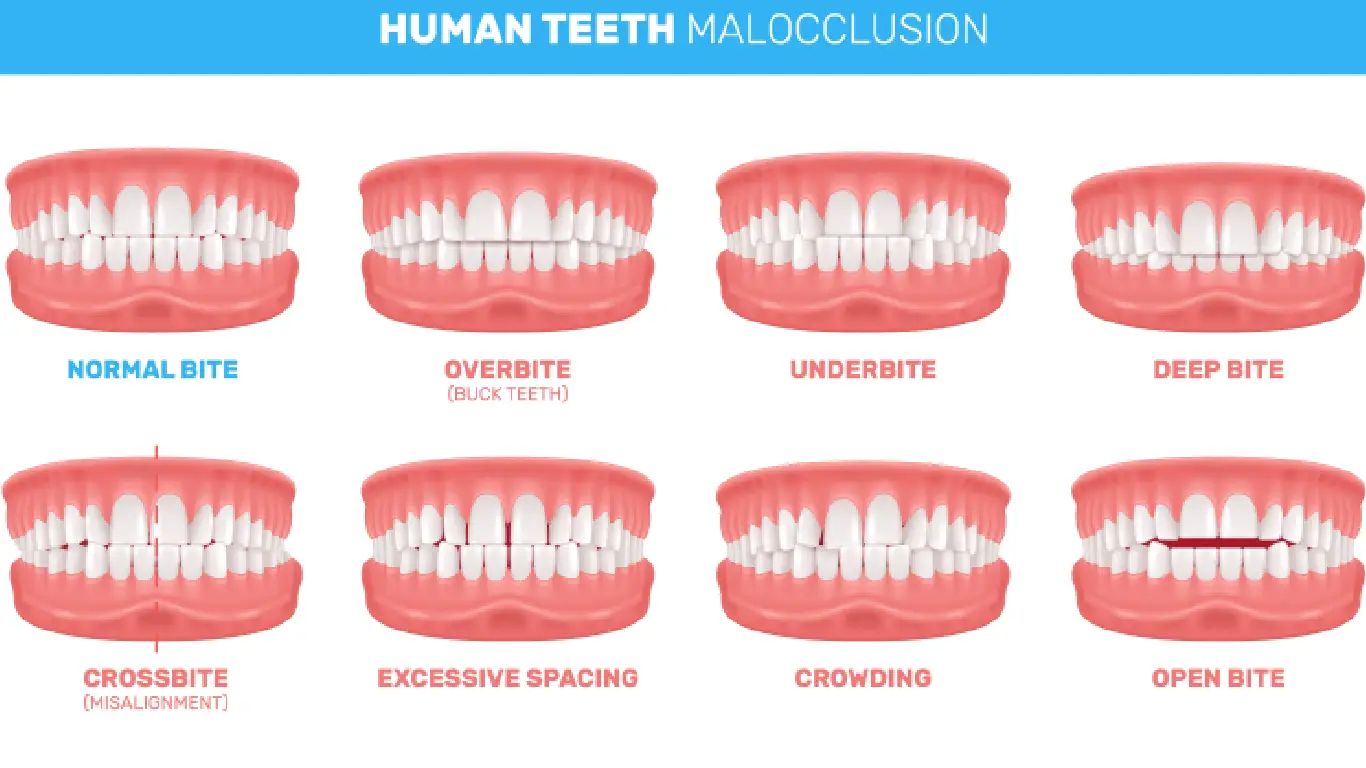
When you look in the mirror, you might notice that your top teeth cover a significant portion of your bottom teeth. While a small overlap is perfectly normal, a more pronounced version (often referred to as an overbite and deep bite) can be more than just a cosmetic concern. For many of our neighbors in Thornhill and North York, understanding how this vertical alignment affects oral health is the first step toward a healthier, more confident smile.
At York Orthodontics, we see many families wondering if their child’s "deep smile" is something they will grow out of, or if an adult can still seek treatment for jaw discomfort. The truth is, while many people use the terms interchangeably, the combination of an overbite and deep bite refers to a vertical misalignment where the upper front teeth overlap the lower ones excessively, sometimes causing the lower teeth to touch the roof of the mouth.
Why Does a Deep Bite Happen?
It isn't just about "crooked teeth." Often, an overbite deep bite is rooted in how the jaw develops. Some common reasons include:
- Genetics:Frequently, a small lower jaw is simply inherited from parents.
- Early Childhood Habits:Long-term thumb sucking or pacifier use can alter the shape of the growing jaw.
- Missing Lower Teeth:If back teeth are lost, the bite can "collapse" forward, making the front overlap look much deeper.
- Strong Jaw Muscles:Patients who grind their teeth (bruxism) can inadvertently deepen their bite over time.
Ignoring a deep bite can lead to worn-down enamel, persistent jaw pain (TMJ), and even sores on the roof of the mouth. This is why deep bite correction is an investment in your long-term health, not just your appearance.
Read More: Your Guide to Metal Mouth Braces
Modern Solutions for Overbite and Deep Bite Correction
The good news is that we have moved far beyond the "one-size-fits-all" approach. Depending on your age and the severity of the bite, there are several effective ways to find balance.
1. Clear Aligners (Invisalign)
Many adults and teens prefer Invisalign because it is nearly invisible. Using advanced 3D planning, we can use "bite ramps" on the back of the aligners to help move the teeth into the correct vertical position. It’s a great option for those who want a discreet journey.
2. Specialized Braces
Traditional or ceramic braces are often the "gold standard" for deep bite correction. They give the orthodontist precise control to "intrude" the front teeth (push them slightly into the bone) or "extrude" the back teeth (bring them up) to level out the smile.
Read More: Underbite Correction
Growth Guidance for Children
If we catch a deep bite early- ideally around age 7 to 10 - we can use functional appliances. These tools help guide the lower jaw's growth, making the fix much simpler than waiting until adulthood.
Read More: Metal Mouth Braces
The York Orthodontics Difference
Whether you visit our branch in Thornhill or our office in North York, our goal is to make you feel at home. We know that every mouth is different, and we take the time to explain the "why" behind every recommendation. Our residents in Toronto deserve care that fits their lifestyle, which is why we offer flexible scheduling and modern technology to make your visits efficient and comfortable.
FAQs
Yes, a severe deep bite can make the lower face look shorter or cause the chin to appear recessed. Correcting the bite often results in a more balanced, youthful facial profile.
It can. Because the tongue needs space to hit the back of the teeth for certain sounds (like "s" or "t"), a significant overlap can sometimes lead to a slight lisp or whistling sound.
Not at all. While surgery is an option for extreme skeletal cases, most adults can achieve excellent results with a combination of braces or Invisalign and specialized orthodontic attachments.
Many dental insurance plans in Ontario cover orthodontic treatment if it is deemed "medically necessary" to prevent tooth wear or jaw damage. Our team can help you navigate your specific coverage.
Like any orthodontic fix, your teeth have a "memory." Wearing your retainer as directed by your orthodontist is the only way to ensure your new, healthy bite stays in place for life.