

Graphy Direct Printed Aligners: Who Are They Best Suited For?
You want straighter teeth but would prefer to avoid visible brackets and wires. You have probably heard of Invisalign, but during your research, another term appears: Graphy direct printed aligners.
They look similar to other clear aligners, but they are manufactured differently. Instead of heating a plastic sheet over a printed model of your teeth, the final Graphy aligner is printed directly from a digital design using a specialized dental resin.
Does that manufacturing difference make Graphy aligners better? More importantly, are they suitable for adults, teenagers, or children?
Quick Answer
Graphy direct printed aligners are custom removable orthodontic trays manufactured directly with 3D-printing technology. They may be considered for selected adults and responsible older teenagers who want discreet treatment and can follow the required wear routine. They may address certain crowding, spacing, relapse, rotation, and bite problems, but they are not automatically appropriate for every patient. An orthodontic examination is necessary to determine whether Graphy aligners, Invisalign, another clear-aligner system, or braces offer the most suitable clinical control.
What Are Graphy Direct Printed Aligners?
Graphy direct printed aligners are a form of clear orthodontic appliance. Their purpose is similar to that of other aligners: each tray applies planned forces to gradually move selected teeth.
The difference is how the appliance is made.
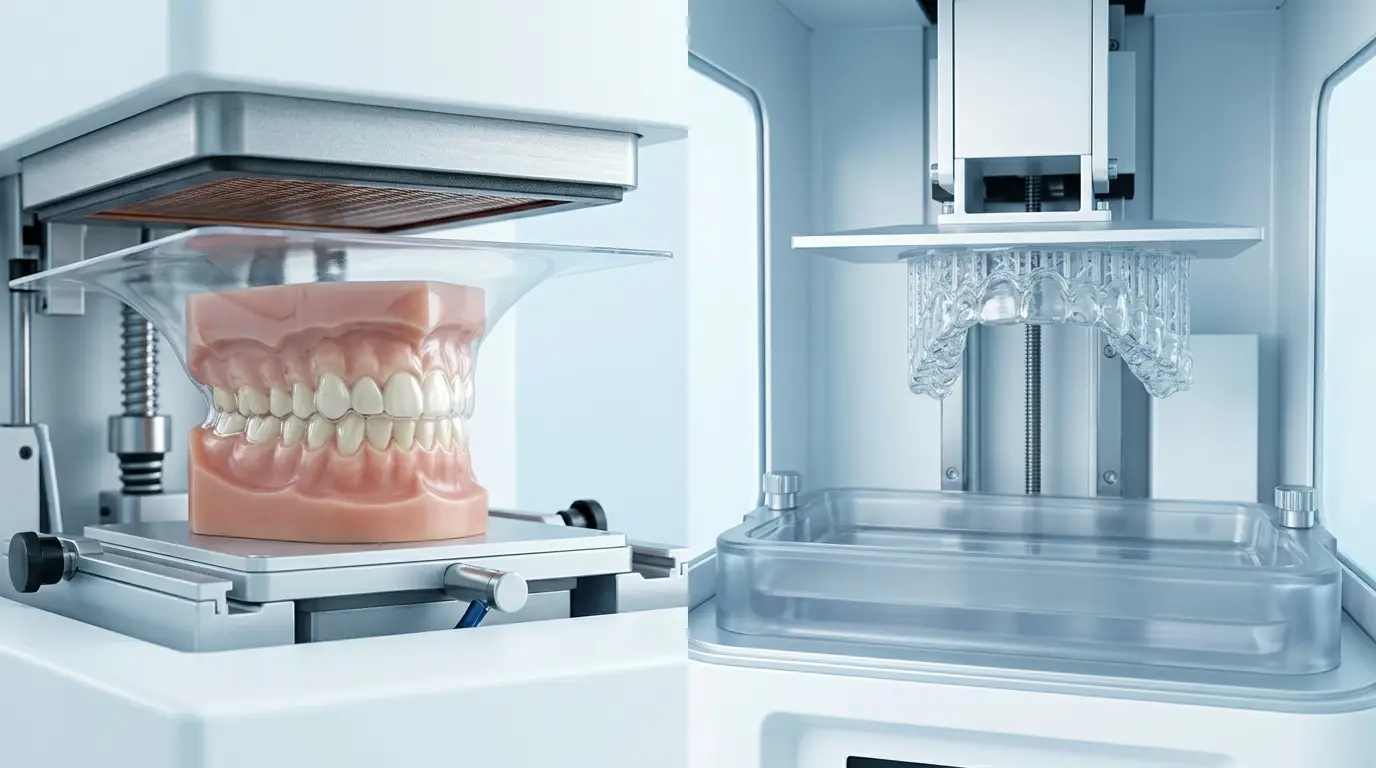
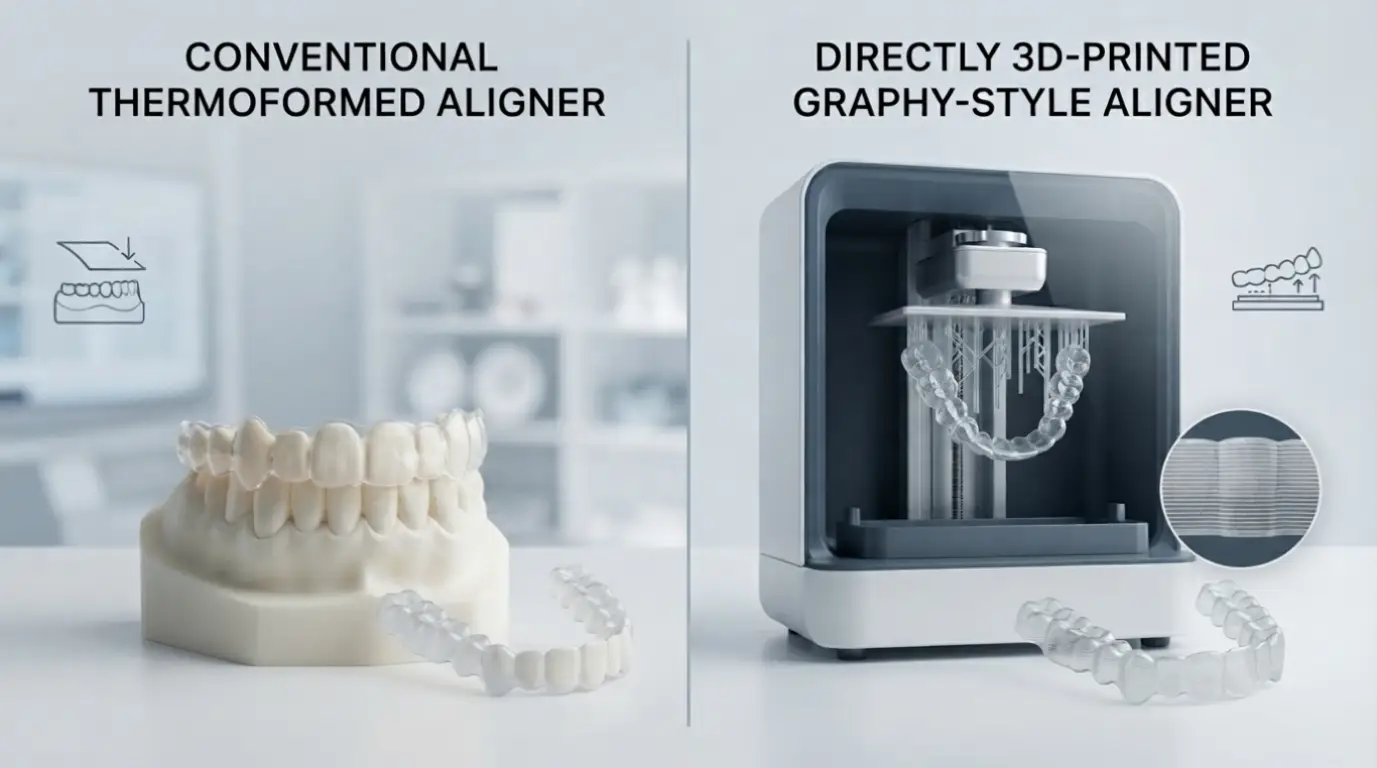
Most conventional clear aligners are thermoformed. A dental model is printed for each treatment stage, and a heated sheet of plastic is pressed over that model. The plastic is then cooled, trimmed, and finished.
With Graphy’s system, the intermediate model is eliminated. The aligner itself is printed layer by layer from the digital treatment design using a compatible printer and Graphy’s specialized photocurable resin.
Patients interested in the broader manufacturing process can first explore York Orthodontics’ guide to clear aligner technology.
How Do Graphy Aligners Work?
Treatment begins with an orthodontic assessment rather than with the printer. The process may include:
- Examining the teeth, gums, jaws, and bite
- Taking photographs, X-rays, and a digital intraoral scan
- Creating a virtual model of the teeth
- Planning a safe sequence of tooth movements
- Printing and properly post-processing the aligners
- Checking each appliance before delivery
- Monitoring how the teeth respond during treatment
The treatment-planning software can create a proposed sequence, but it cannot independently determine whether every planned movement is biologically safe or clinically predictable. The orthodontist must review the plan and monitor the patient’s progress.
Graphy’s TC-85 material is promoted for its shape-memory properties. According to the manufacturer’s technical overview, the material can recover its intended shape after deformation under specified conditions. However, material properties alone do not guarantee a successful outcome. Results still depend on diagnosis, planning, manufacturing quality, wear compliance, and clinical supervision.
Which Patients May Be Good Candidates?
Adults are the primary audience
Graphy clear aligners are likely to attract adults who want an inconspicuous, removable treatment that fits around work, social events, meals, and daily oral hygiene.
Potential adult candidates may include people with:
- Mild to moderate crowding
- Gaps between teeth
- Certain tooth rotations
- Orthodontic relapse after previous treatment
- Selected overbite, open-bite, or crossbite concerns
- Healthy teeth, gums, and supporting bone
- A strong commitment to wearing removable appliances as directed
There is no universal upper age limit for orthodontic treatment. The American Association of Orthodontists’ adult-treatment guidance explains that age alone is rarely the deciding factor.
Adults may nevertheless require additional assessment when they have gum disease, bone loss, missing teeth, implants, crowns, bridges, or extensive dental work. These conditions do not always prevent treatment, but they can affect the treatment plan and the type of appliance recommended.
York Orthodontics provides personalized orthodontic treatment options for children, teenagers, and adults based on their individual bite and treatment needs.
Responsible older teenagers may also qualify
Graphy aligners may appeal to older teenagers who want less noticeable treatment for school, sports, photographs, performances, or social activities.
However, a teenager must be able to:
- Wear the aligners according to the prescribed schedule
- Remove them only when instructed, such as for meals and cleaning
- Store them safely instead of wrapping them in a napkin
- Clean their teeth and aligners properly
- Change trays only according to the treatment plan
- Attend monitoring appointments
A teenager who regularly forgets, loses, or removes aligners may be better served by braces, which remain attached to the teeth. York Orthodontics’ guide to orthodontics for teenagers explains how compliance and case complexity influence the choice between braces and clear aligners.
Young children are not the primary audience
Some younger patients can receive aligner treatment, but Graphy direct printed aligners should not be presented as a routine solution for every child.
Children may still have baby teeth, erupting permanent teeth, or jaw-growth concerns that require a different strategy. In some cases, the goal of early orthodontics is to guide development rather than simply straighten the visible teeth.
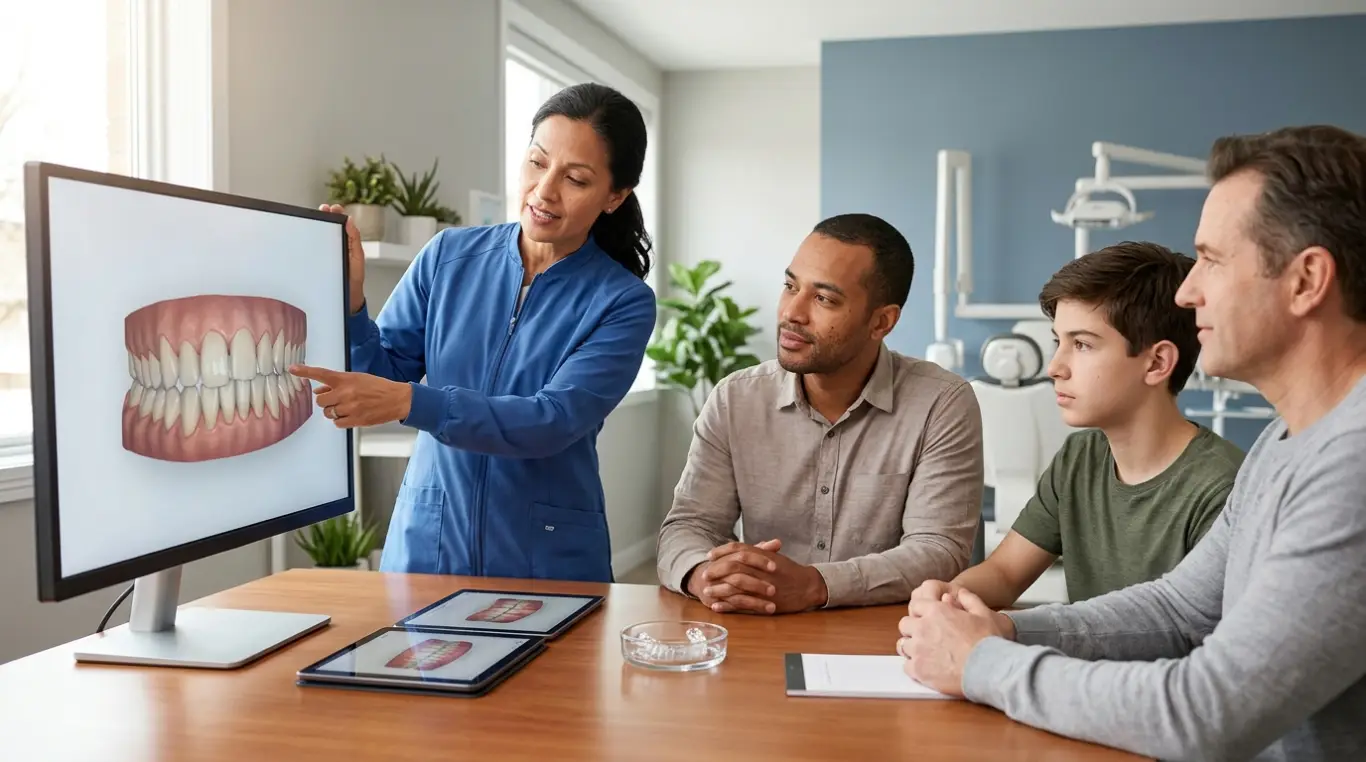
The child’s dental development, treatment objective, case complexity, and ability to manage removable appliances must all be evaluated. A first orthodontic assessment may be appropriate around age seven, but that does not mean treatment must begin immediately or that aligners will be recommended.
Who May Not Be an Ideal Candidate?
Graphy aligners may not be the preferred first option when:
- The patient cannot wear removable appliances consistently
- Active tooth decay or gum disease requires treatment first
- More complex tooth or jaw movements need different control
- Jaw growth must be guided or closely monitored
- The patient frequently loses removable appliances
- The treatment requires an approach better managed with fixed braces
- Manufacturing and post-curing protocols cannot be followed reliably
Clear aligners are not universally better than braces. The AAO’s clear-aligner guidance notes that some cases can be treated more predictably with braces or with a combination of appliances.
What Is the Difference Between Thermoformed and 3D-Printed Aligners?
The most important difference is the manufacturing workflow.
| Feature | Thermoformed aligners | Graphy direct-printed aligners |
|---|---|---|
| Manufacturing | Plastic is heated and formed over a dental model | The final aligner is printed directly |
| Intermediate models | Usually required for production | Eliminated from the workflow |
| Material | Thermoplastic sheet | Photocurable dental resin |
| Thickness | Can change during thermoforming | Can potentially be digitally customized |
| Production steps | Printing, forming, trimming and finishing | Printing, washing, post-curing and finishing |
| Evidence history | Longer clinical history | Newer and still developing |
| Quality control | Depends on forming and trimming | Depends heavily on validated printing and post-curing |
Laboratory research has found that directly printed aligners can demonstrate high dimensional accuracy. One comparison of direct-printed and thermoformed aligners reported greater trueness and precision for the direct-printed samples tested.
That does not prove that every 3D-printed aligner will produce a better clinical result. Fit accuracy is only one part of treatment. Tooth biology, movement type, staging, appliance design, patient wear, and orthodontic monitoring also influence the outcome.
Graphy Aligners vs Invisalign: Which Is Better?
There is no universal winner.
Invisalign is an established commercial aligner system with a long history of clinical use, proprietary materials, treatment-planning software, and a large provider network. Graphy represents a newer direct-printing approach in which the final appliance may be produced using Graphy’s resin and a validated digital workflow.
The practical differences include:
- Manufacturing: Invisalign aligners are thermoformed, while Graphy aligners are directly printed.
- Material: Each system uses its own material and manufacturing specifications.
- Evidence: Invisalign has a longer clinical track record. Research on directly printed aligners is promising but comparatively newer.
- Customization: Direct printing may allow the aligner’s thickness or features to be digitally adjusted in selected areas.
- Workflow: Graphy production depends on the clinic or laboratory’s equipment, design, printing, washing, and post-curing protocols.
- Treatment planning: Either option still requires professional diagnosis and supervision.
A 2024 clinical study of orthodontic movements with 3D-printed aligners reported successful planning and in-office printing for mildly misaligned cases. However, the authors also emphasized the need for further clinical investigation.
Therefore, it would be inaccurate to say that Graphy is always as good as, or better than—Invisalign. The more useful question is which system gives the orthodontist appropriate control for the patient’s particular movements and treatment goals.
Patients comparing established clear-aligner treatment can also review York Orthodontics’ information about Invisalign for adults and teenagers.
How Much Do Graphy Aligners Cost?
There is no single verified Graphy aligners price that applies to every patient or clinic.
The total fee may depend on:
- Case complexity
- Number of aligners required
- Length and scope of treatment
- Diagnostic records and digital scans
- In-office or laboratory production costs
- Necessary attachments or additional procedures
- Monitoring appointments
- Refinement aligners
- Retainers after treatment
- What the clinic includes in its treatment package
Graphy’s manufacturing process should not be assumed to make treatment automatically cheaper than Invisalign. Although eliminating printed models can reduce some production steps, specialized equipment, resin, trained staff, quality-control procedures, and post-curing systems also carry costs.
How Much Do Clear Aligners Cost Without Insurance?
Without insurance, the patient is normally responsible for the treatment fee agreed upon with the provider. York Orthodontics reports that Invisalign treatment can commonly fall within a broad range of approximately CAD $3,000 to $8,000, depending on the case and treatment scope. These figures should not be presented as a guaranteed Graphy price.
Patients can review York Orthodontics’ detailed Invisalign cost breakdown to understand how complexity, treatment length, insurance, and payment arrangements can affect orthodontic expenses.
Before accepting a quote, ask whether it includes:
- Initial records and digital scans
- Every planned set of aligners
- Progress examinations
- Refinement aligners
- Replacement trays
- Retainers
- Any applicable laboratory or production fees
Insurance policies vary. Some plans provide orthodontic benefits, while others exclude adult orthodontics or apply a lifetime maximum. Patients should request a written estimate and confirm their coverage directly with their insurer.
What Should Patients Ask During a Consultation?
If you are considering Graphy direct printed aligners, ask:
- Why are direct-printed aligners appropriate for my diagnosis?
- Would Invisalign or braces provide different clinical control?
- Which movements are expected to be straightforward or challenging?
- Where and how will my aligners be manufactured?
- Which quality-control and post-curing protocols are used?
- How will my progress be monitored?
- What happens if my teeth do not track as planned?
- Are refinements and retainers included in the quote?
- What evidence supports the material and workflow being recommended?
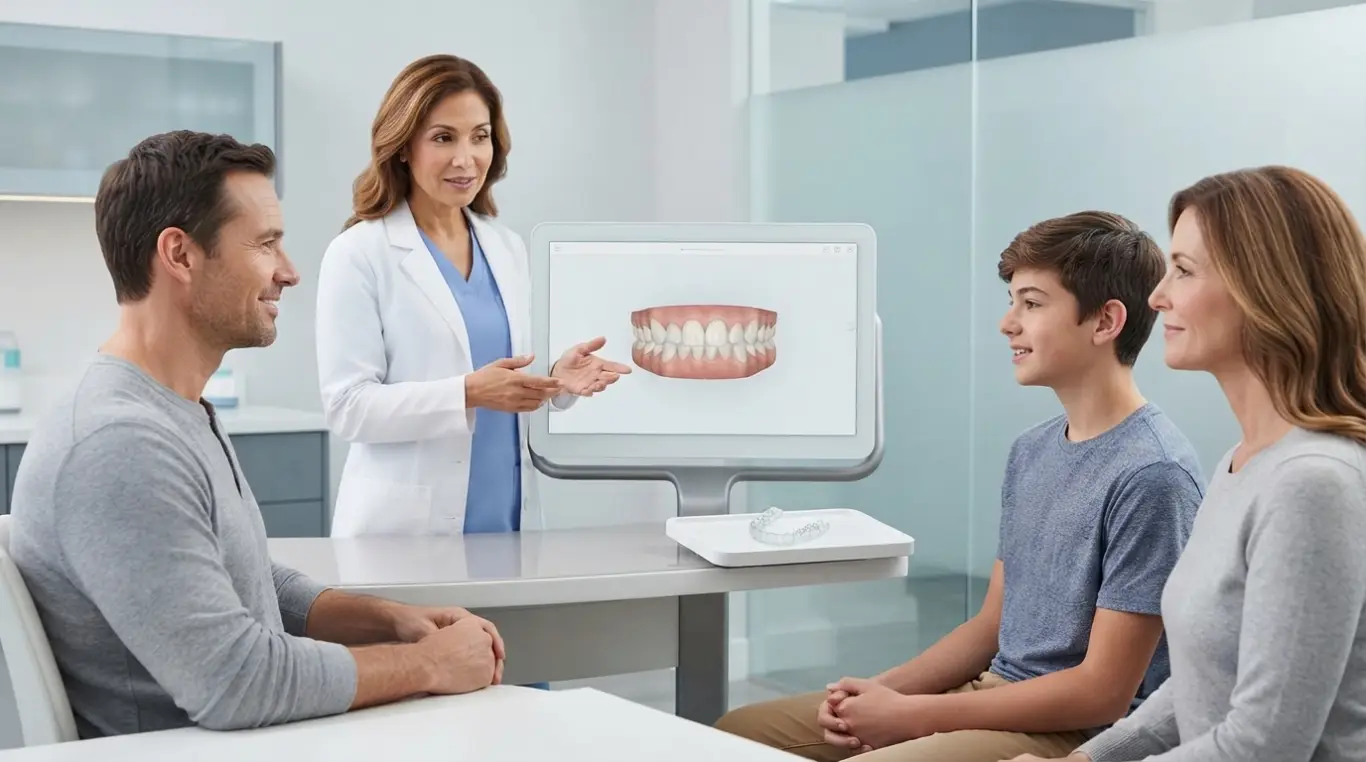
A good consultation should compare reasonable options rather than promoting one technology as suitable for everyone.
The Bottom Line
Graphy direct printed aligners are an emerging form of clear-aligner technology. Their direct manufacturing process and shape-memory material make them technically different from conventional thermoformed systems such as Invisalign.
They may interest adults and responsible older teenagers seeking discreet, removable orthodontic treatment. However, age, appearance, or interest in new technology cannot determine candidacy on their own.
The right decision depends on oral health, dental development, bite relationships, movement complexity, lifestyle, and the patient’s ability to follow the treatment plan. Because evidence for direct-printed aligners is still developing, patients should expect a balanced explanation of both the potential advantages and current limitations.
If you want to find out whether direct-printed aligners, Invisalign, or braces provide the right control for your smile, request a personalized orthodontic consultation with York Orthodontics. A clinical examination can identify which option fits both your treatment needs and daily routine.
FAQs
They may work effectively in appropriately selected cases, but current evidence does not establish that all 3D-printed aligners are equal or superior to Invisalign. Invisalign has a longer clinical history, while direct-printed aligners are supported by a smaller but growing body of research.
Responsible older teenagers may qualify if their dental development, bite, and treatment needs are suitable. They must also be able to wear, store, and clean the aligners consistently.
Possibly, but young children are not the primary patient group. An orthodontist must consider remaining baby teeth, permanent-tooth eruption, jaw growth, treatment goals, and the child’s ability to manage removable appliances.
Potentially, in selected situations, but the product should not be described as appropriate for every complex case. Some movements may require attachments, elastics, fixed braces, or a combined treatment approach.
There is no universal published Graphy treatment price. Cost depends on case complexity, the number of appliances, monitoring, refinements, retainers, and the provider’s production workflow.
The manufacturing method alone does not determine safety. The material must be intended for intraoral use, and the aligners must be printed, washed, post-cured, finished, inspected, and prescribed according to validated protocols.