

Teeth Retainers: What They Do After Braces and How to Choose One
Teeth retainers are custom-made orthodontic appliances that hold teeth in their corrected positions after braces or clear aligner treatment. They matter because teeth can continue to move throughout life, and the risk of relapse, the tendency to shift toward an earlier position, does not disappear when active treatment ends.
Quick answer: The purpose of a teeth retainer is to preserve the alignment achieved during orthodontic treatment. The three commonly discussed designs are clear removable retainers, Hawley wire-and-acrylic retainers, and fixed retainers bonded behind the front teeth. The right design and wear schedule depend on your original tooth movement, bite, oral hygiene, and ability to follow a routine. A retainer maintains a planned result; it is not usually a replacement for braces or aligners when active tooth movement is needed.
What Is a Retainer for Teeth?
An orthodontic retainer is a passive appliance made to fit your teeth at the end of active treatment. Its job is to resist unwanted movement while the tissues around the teeth adapt and to help manage the natural tendency for alignment to change later.
This retention phase follows treatment with braces or clear aligners. It is part of the treatment plan, not an optional accessory. The Cochrane review of orthodontic retention explains that teeth tend to relapse without retention and that both fixed and removable appliances are used to provide stability.
For a broader explanation of fitting, wear, benefits, and potential problems, see York Orthodontics’ guide to an orthodontic retainer for teeth.
What Is the Purpose of Teeth Retainers After Braces?
Teeth braces retainers protect the positions created during active treatment. Braces apply controlled forces to move teeth; retainers are then prescribed to hold the planned alignment. The same principle applies after clear aligner treatment.
Retention is important because:
the bone and supporting tissues need time to reorganize after tooth movement;
lips, cheeks, tongue, bite forces, and oral habits can influence tooth position;
growth and normal age-related changes can affect alignment; and
some movements and spaces are more prone to relapse than others.
Your orthodontist should decide whether you need an upper retainer, a lower retainer, or both, and whether fixed, removable, or combined retention best fits your case.
Will My Teeth Shift Without a Retainer After Treatment?
Yes, they can. The timing and amount of movement are unpredictable, but skipping prescribed retainer wear increases the risk that teeth will move away from their finished positions. The American Association of Orthodontists’ retainer guidance notes that a tight retainer can be a sign of slight tooth movement.
If your removable retainer feels snug but seats fully without significant pain, contact your orthodontist for instructions. If it will not fit, looks distorted, or causes notable pain, do not bite it into place or try to reshape it at home. York Orthodontics explains what a tight appliance may mean in its guide to whether retainers push teeth back.
A retainer for teeth straightening is sometimes marketed as though it can correct any relapse. That description needs caution. A passive retainer may accommodate or influence a very small, recent change in selected circumstances, but moderate or complex movement generally requires diagnosis and active treatment. Only an orthodontic examination can determine what is safe and realistic.
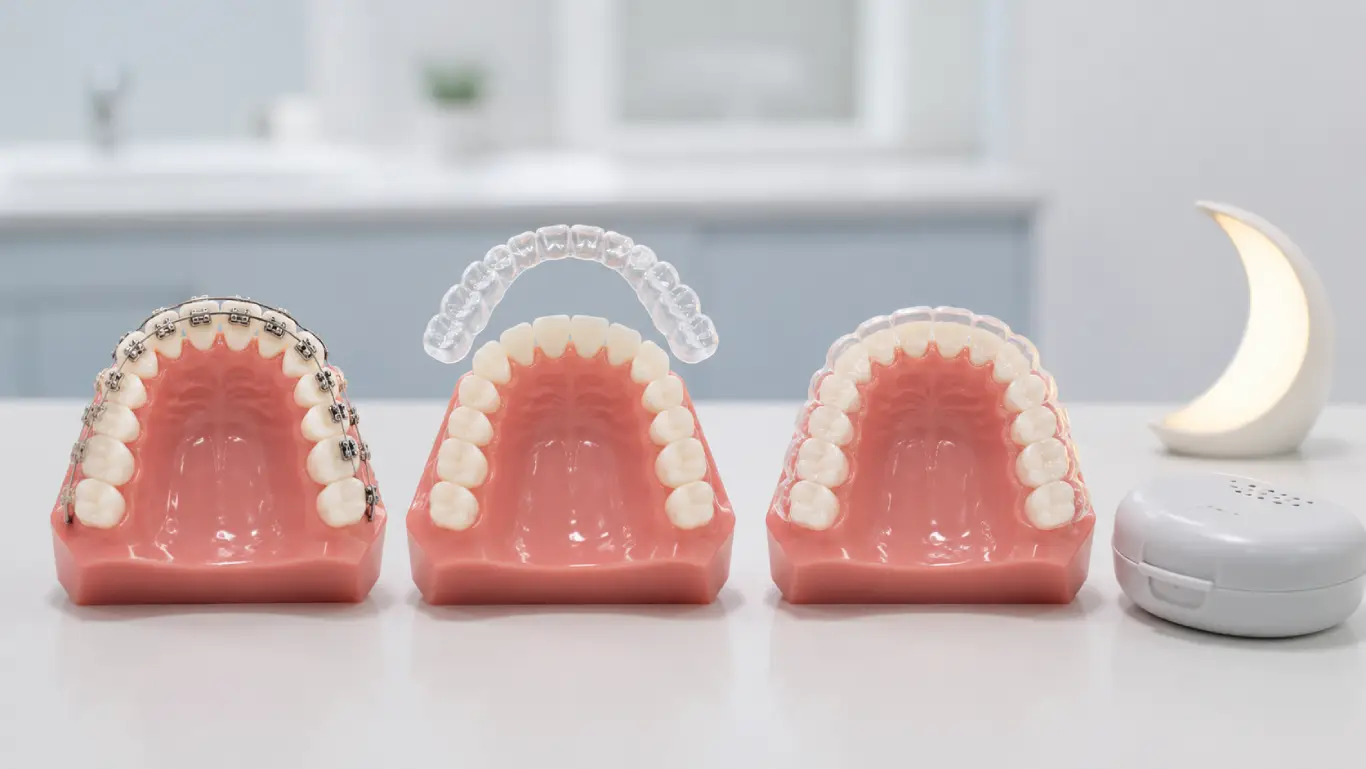
What Are the Three Types of Retainers?
The three familiar designs differ in appearance, cleaning, durability, and dependence on patient wear.
1. Clear removable retainer
This thin, transparent tray closely covers the teeth. It is discreet and removable for eating and cleaning, but it must be worn consistently and protected from heat, cracks, distortion, loss, and pets.
2. Hawley retainer
A Hawley retainer combines an acrylic or hard plastic base with a metal wire across the front teeth. It is removable and can be durable, but the front wire is more visible and the acrylic may initially affect speech or feel bulky.
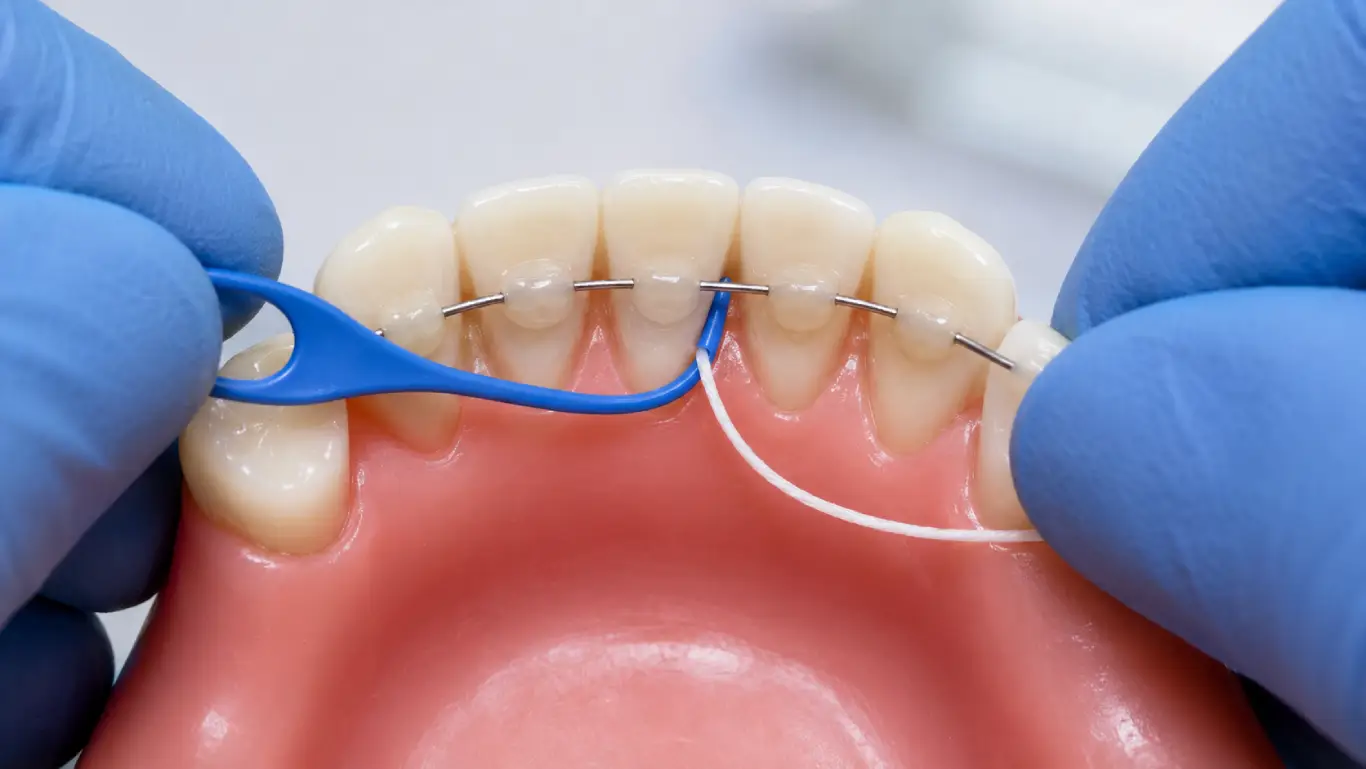
3. Fixed or bonded retainer
A slender wire is bonded to the tongue side of selected front teeth. This front teeth retainer works continuously and is hidden in most smiles. However, it retains only the teeth to which it is attached, requires careful cleaning, and needs prompt assessment if the wire loosens or breaks.
Some patients receive more than one design, for example, a bonded lower retainer plus removable retainers. There is no universally best option. Evidence summarized by Cochrane indicates uncertainty about which retention approach is best overall, so the choice should reflect the individual case and the trade-offs that matter to the patient.
How Much Does a Dental Retainer Cost?
There is no single reliable fee for every patient. The cost of a dental retainer can vary according to:
clear, Hawley, or bonded design;
one dental arch or both;
a first retainer versus a replacement;
records, digital scans, laboratory work, and fitting appointments;
whether repairs or rebonding are possible;
the provider and local fees; and
possible insurance benefits or exclusions.
Ask for a written, case-specific estimate and whether future replacements are included in an orthodontic treatment fee. York Orthodontics’ overview of retainer options and cost factors provides additional context, but the clinic must confirm a current quote after assessing your needs.
How Should You Care for an Orthodontic Retainer?
Follow the instructions for your specific appliance. General habits include:
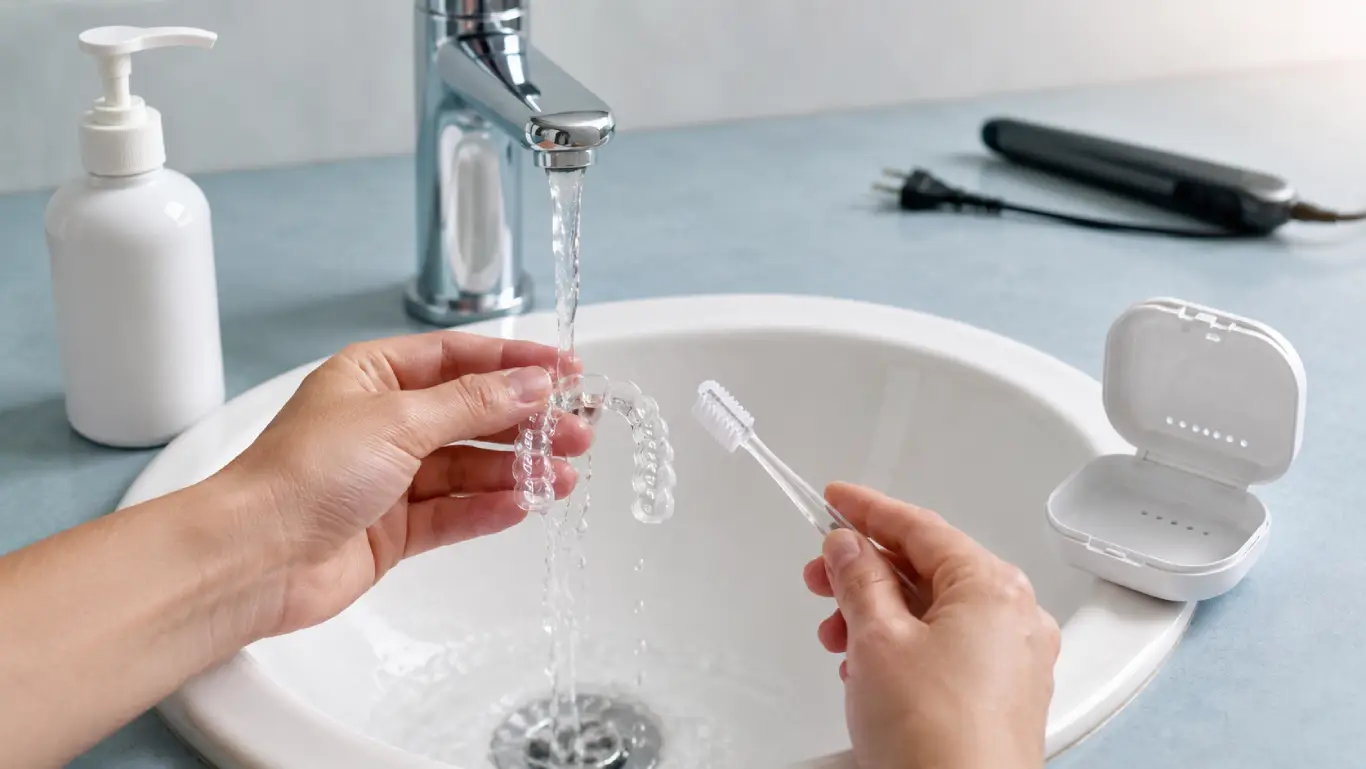
rinse and clean a removable retainer as directed using cool or lukewarm water;
avoid hot water, dishwashers, and hot cars because clear plastic may warp;
store a removable appliance in its ventilated case when it is not in your mouth;
brush and floss carefully around a fixed wire; and
check for cracks, distortion, loose bonding, or a changed fit.
The AAO warns that heat or physical force can warp clear retainers and bend or break wires. Its retainer-cleaning guidance also explains why damage can compromise function. Contact your orthodontist promptly if an appliance is lost, damaged, or no longer fits; waiting may allow further movement.
What to Expect at York Orthodontics
York Orthodontics states that it uses digital impressions to create a three-dimensional model of the teeth and gums for removable retainers. An orthodontic assessment is still essential to check the fit, bite, alignment, and condition of any bonded wire before recommending an appliance or replacement.
If your retainer is missing, broken, or no longer seating properly, request a retainer assessment with York Orthodontics. A timely examination can clarify whether you need an adjustment, repair, replacement, or active treatment rather than guesswork at home.
Frequently Asked Questions About Teeth Retainers
Wear time is individualized and may change from a more intensive early schedule to long-term nighttime wear. Follow your orthodontist’s written instructions rather than a generic online timetable, because the original correction and relapse risk differ among patients.
A standard passive retainer is designed primarily to hold teeth, not perform comprehensive tooth movement. If teeth have shifted, an orthodontist must assess whether the change is minor enough for a safe retainer-based approach or requires active treatment.
A bonded wire may have detached from one or more teeth even if it still appears to be in place. Avoid pulling or bending it and arrange an assessment promptly because the affected tooth may no longer be retained.
Do not force an old retainer that will not seat fully or causes significant pain. Its shape may no longer match your teeth, and an orthodontist should examine the fit and the amount of movement before advising you.
Not automatically. The appliances can look similar, but they may be designed for different purposes and materials. If you grind or clench, ask your orthodontist or dentist whether one appliance can safely meet both needs in your case.