

Orthodontics Specialty in Ontario
The orthodontics specialty is one of the most dynamic fields in Canadian healthcare, dedicated to the sophisticated management of dental and facial alignment. For residents in Ontario, understanding the distinction between providers and the high standards of care is the first step toward a healthy smile.
I. The Critical Difference: Orthodontist vs. Dentist
What defines an orthodontist vs dentist? While both are dental professionals, the orthodontics specialty requires extensive post-graduate training.
An orthodontist is a specialist who has completed an additional two to three years of intensive, university-affiliated Master’s or PhD training focused exclusively on Orthodontics and Dentofacial Orthopedics. This specialized education provides the detailed knowledge needed to manage complex tooth movement, skeletal disharmony, and jaw irregularities. This professional background forms the core of the orthodontist description.
To practice in Ontario, every specialist must be registered with the Royal College of Dental Surgeons of Ontario (RCDSO). You can verify a provider’s orthodontist information, including their license and specialty status, on the RCDSO Dentist Registry, which is a critical tool for consumer protection.
Read More: Clear Orthodontic Braces
II. Why Specialized Care Matters: Beyond Aesthetics
Orthodontic treatment is often sought for a better-looking smile, but the true value of the orthodontics specialty lies in improving functional health.
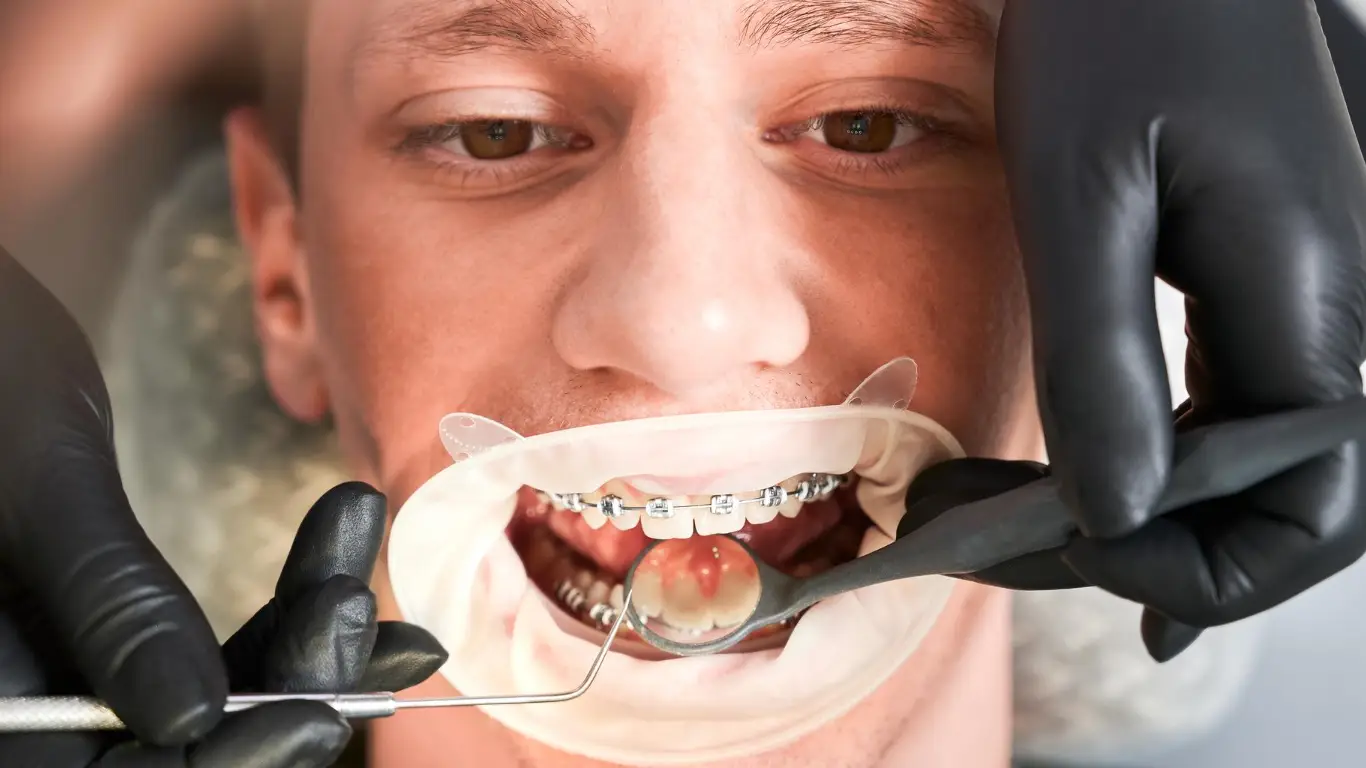
An orthodontist addresses malocclusion (a bad bite), which occurs when the upper and lower teeth or jaws do not align correctly. Common issues include:
- Class I: Localized problems like overcrowding, which is the most popular reason for seeking treatment.
- Class II (Overbite): Upper teeth significantly overlap the lower teeth.
- Class III (Underbite): Lower teeth are positioned forward of the upper teeth.
Ignoring malocclusions can lead to serious long-term health issues, including uneven wear, which causes tooth erosion and decay, or poor hygiene due to overcrowded teeth. In severe cases, especially Class II or Class III, treatment is necessary to prevent a skeletal discrepancy that might otherwise require complex jaw surgery in adulthood.
Read More: Retainer After Invisalign
III. Modern Treatment Options and Costs in Ontario
The modern orthodontics specialty offers discreet, efficient solutions driven by technology.
A. The Rise of Aesthetic Options
Technological advances have made treatment more comfortable and less visible.
Treatment Type | Estimated Cost Range (Ontario, CAD) | Key Features |
|---|---|---|
Clear Aligners (In-Clinic) | $4,000 – $8,500 | High discretion; most popular choice for adults |
$3,000 – $7,000 | Most budget-friendly and effective for complex cases | |
$4,000 – $8,000 | Tooth-colored brackets offer medium discretion | |
Lingual Braces (Hidden) | $8,000 – $10,000 | Placed behind the teeth for maximum discretion |
Clear aligners, such as Invisalign, currently capture the largest market share in Canada, estimated at 45%. The average treatment duration for most patients is approximately 18 to 24 months, though case complexity and patient compliance are the primary factors.
Read More: Invisalign Retainer Price
B. The Digital Advantage
Today's orthodontics specialty utilizes a digital workflow for maximum precision:
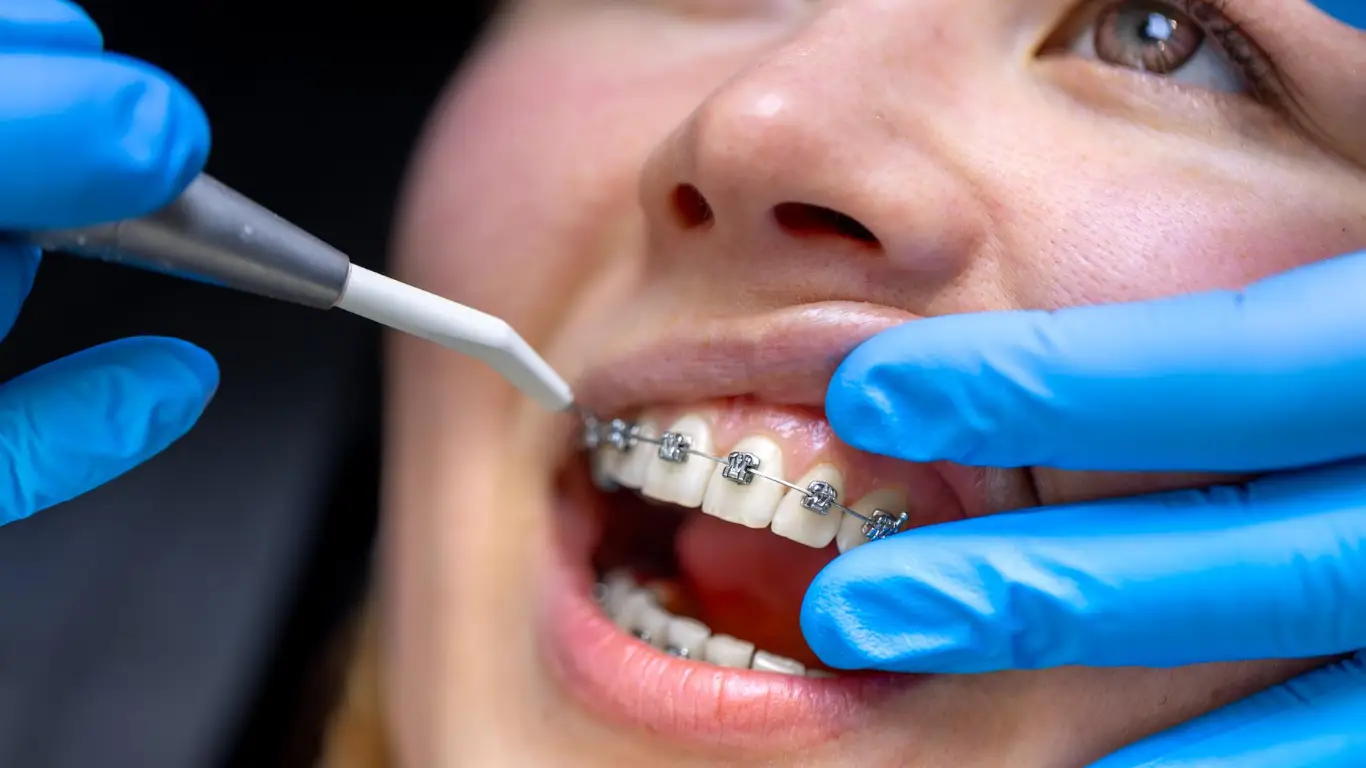
- 3D Imaging: Intraoral scanners (replacing messy impressions) and Cone Beam Computed Tomography (CBCT) are used for highly accurate 3D diagnostics of tooth and jaw structure.
- Custom Appliances: Computer-Aided Design (CAD) software integrates these 3D images to plan precise tooth movements and create custom appliances, including 3D-printed ceramic brackets and clear aligners.
Read More: Teeth Alignment
IV. The Non-Negotiable Commitment: Lifelong Retention
The most critical piece of orthodontist information to understand is that treatment does not end when the braces come off. Teeth are biologically programmed to shift back (relapse).
The retention phase is mandatory and often lifelong. Specialists recommend continued use of retainers, either fixed bonded wires or removable Essix/Hawley appliances, likely every night indefinitely, to ensure the long-term stability of the results.
Read More: Invisible Braces for Adults
York Orthodontics:
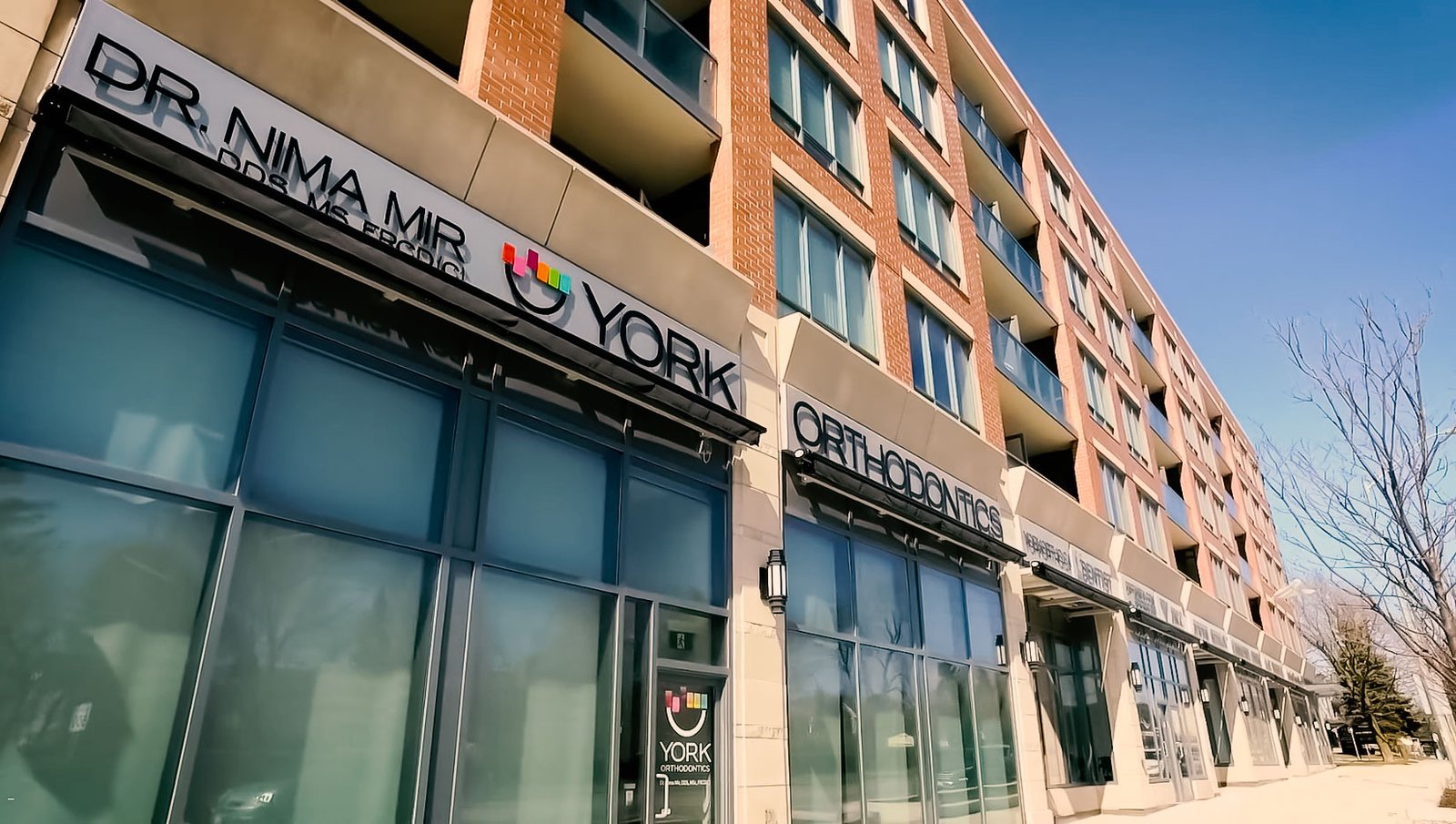
When seeking the highest level of care, digital precision, and customized treatment planning, trust a provider dedicated to the orthodontics specialty. To start your journey toward optimal functional health and a confident smile, rely on the expertise of York Orthodontics in Ontario.
FAQs
The main difference lies in specialized training and scope of practice. A General Dentist holds a four-year dental degree and provides primary dental care (e.g., cleanings, fillings, basic extractions).
An Orthodontist is a dental specialist who has completed an additional two to three years of rigorous, full-time, post-graduate training (Master's or PhD program) focused exclusively on Orthodontics and Dentofacial Orthopedics. This specialized training is required for the complex diagnosis, prevention, and treatment of malocclusions (bad bites) and facial skeletal disharmony. In Ontario, their specialist status is confirmed by the RCDSO Dentist Registry.
While aesthetic improvement is a common benefit, the clinical necessity of orthodontic treatment is rooted in long-term preventive healthcare and functional correction.
Malocclusions (such as Class II Overbite or Class III Underbite) can cause uneven tooth wear, which leads to erosion and decay. Overcrowding makes effective brushing and flossing nearly impossible, increasing the risk of cavities and gum disease. For severe cases involving skeletal disharmony (incorrect jaw relationship), early treatment prevents the need for more invasive and costly maxillofacial surgery in adulthood. The treatment is a long-term investment in functional health, not just a cosmetic one.
The cost of orthodontic treatment in Ontario varies significantly based on the complexity and the appliance chosen, but the average cost for braces is approximately $7,600 CAD.
Typical cost ranges by modality are:
- Traditional Metal Braces: $3,000 – $7,000
- Clear Aligners (e.g., Invisalign): $4,000 – $8,500
- Lingual Braces (Behind the teeth): $8,000 – $10,000
The final price is influenced by the severity of the malocclusion and the length of treatment, which can span from 12 to 36 months.
Standard Canadian dental insurance rarely covers the full cost, typically imposing a lifetime maximum (e.g., $3,000) and reimbursing only a percentage of the expense (e.g., 60%).
To manage the cost:
- Utilize Health Spending Accounts (HSAs): These tax-advantaged funds can be used to cover deductibles, co-insurance, or the amount exceeding the plan's maximum.
- Explore Financing Plans: Most orthodontic clinics offer flexible, interest-free internal payment plans or partner with specialized third-party providers (like Dentalcard) to spread the total cost into predictable monthly installments over 12 to 84 months.
The most critical commitment is the Retention Phase, which is mandatory and often lifelong.
After active treatment, teeth are biologically prone to shifting back toward their original positions (relapse). The retention phase prevents this by using:
- Fixed Retainers: Wires bonded behind the anterior teeth, often intended to be maintained indefinitely.
- Removable Retainers (e.g., Hawley or Essix retainers): Worn full-time for the first year, then typically transitioned to night-time wear indefinitely to ensure the stability and longevity of the final result.