

Gapped Teeth and Oral Health
Do you have a teeth gap that makes you hesitate before you laugh? You aren’t alone. Whether you call it gapped teeth, spaced teeth, or the medical term diastema teeth, this is a very common dental trait. Gapping in teeth isn’t just about how you look; in some cases, it can actually change how your mouth functions.
This guide explains why gapping between teeth happens, the risks involved, and how you can fix it if you choose to.
What Causes Spaced Teeth?
Another name for gap teeth is diastema. This can happen for several reasons:
Size Mismatch: Sometimes teeth are too small for the jawbone, creating extra room.
Muscle Attachments: A thick piece of tissue (the labial frenum) can grow between teeth and push them apart.
Habits: Things like thumb sucking as a child or "tongue thrusting" (pressing the tongue against teeth while swallowing) can force a teeth gap to open.
Gum Health: Bone loss from gum disease can make teeth shift and create new gapping in teeth.
The Real Problems with Gapping Between Teeth
While some see a gap as a lucky charm, diastema teeth can lead to physical issues:
Trapped Food: Gaps are magnets for food particles, which leads to plaque buildup, cavities, and gum disease.
Speech Issues: Many people wonder, does gap teeth affect speech? Yes, gaps can allow air to escape while talking, which often causes a persistent lisp or a whistling sound.
Bite Alignment: When there is too much room, other teeth might tilt or shift, causing jaw pain or uneven wear on your enamel.
Thankfully, there are treatment options available to deal with the problem. Braces or clear aligners are popular options that can help move teeth into the proper position and close the gap. In some cases, dental bonding or veneers can also be used to close the space between teeth. If you have space between your teeth, see an orthodontist; they can offer you the best course of treatment that suits your problems.
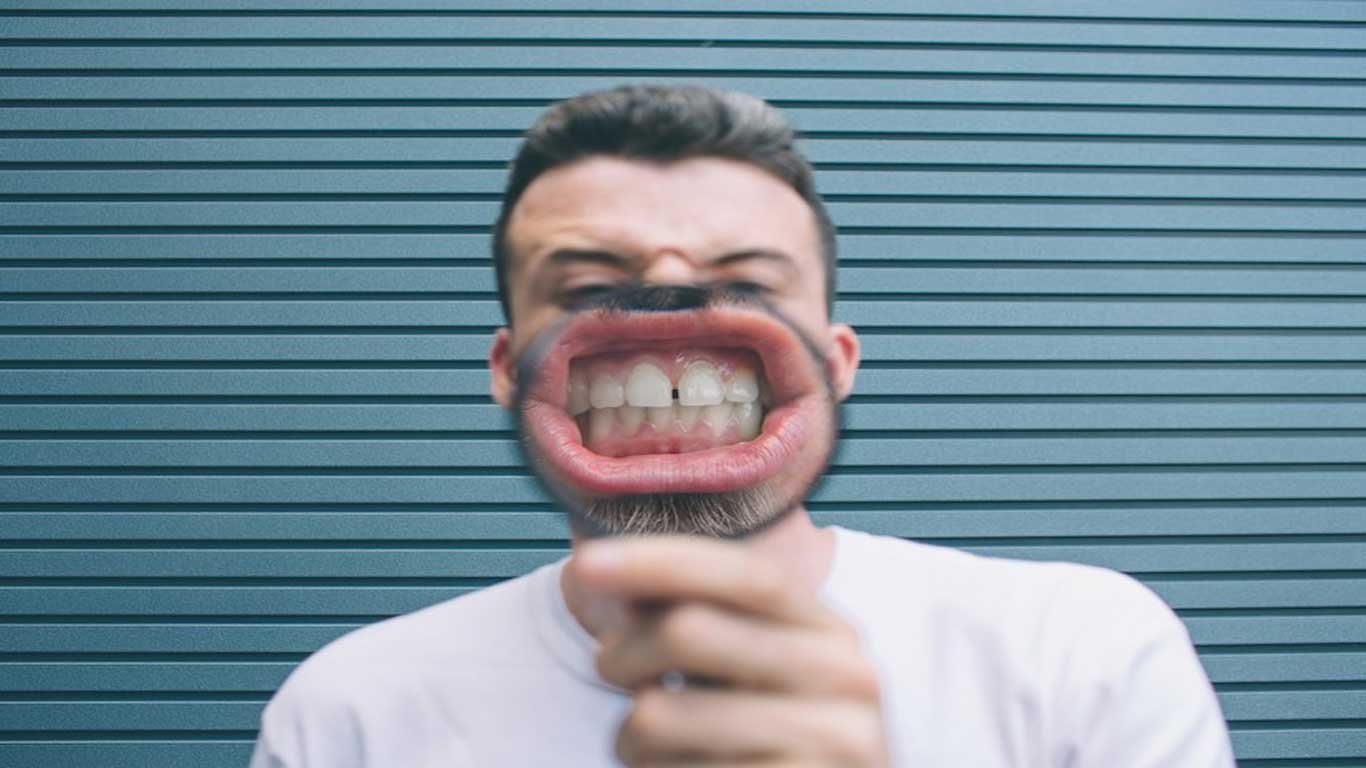
Are Gap Teeth Attractive?
One of the most common questions people ask is: is a gap between front teeth attractive?
The answer is entirely personal. In the fashion world, many famous models embrace their gapped teeth as a sign of character and uniqueness. However, if you feel self-conscious or find it hard to keep your teeth clean, seeking treatment is a valid choice. Whether gap teeth are attractive depends on how you feel about your own smile.
Gaps Between the Aligner and Teeth
The “gaps between the aligner and teeth” refer to the distance between the teeth and the clear aligners. Clear aligners are orthodontic devices that are tailored specifically for each patient's teeth to move them into the correct position over time.
A gap between the aligner and the tooth surface occurs when an aligner does not fit snugly against the teeth. This may happen for a variety of reasons, including:
- Distorted aligners
- Misaligned teeth
- If the aligner isn’t properly seated.
Contact your orthodontist right away if you see a space between the aligner and your teeth.
Invisalign for Gaps: Gapped Teeth Before and After
If you have gapped teeth, you might be wondering if Invisalign can close the gap and make your smile more attractive. Yes, Invisalign can close most types of gaps between your teeth by gently pressing against them and gradually moving them into the desired position.
However, the effectiveness and duration of Invisalign treatment for gapped teeth may depend on the size and cause of the gaps. Larger gaps take longer to close than smaller ones, and missing teeth-related gaps could necessitate additional operations like bonding or veneers.
Depending on your particular situation, Invisalign treatment for space between the teeth can often take anywhere from 6 months to 2 years. As instructed by your orthodontist, you must wear your aligners for at least 22 hours per day and switch them out every one to two weeks.
Fixing the Gap: Invisalign and Other Options
If you want to close the space, you have several paths:
Invisalign: These clear aligners are perfect for spaced teeth. They apply gentle pressure to nudge teeth together over 6 to 18 months.
Bonding: A tooth-colored resin is shaped to fill the gap in a single visit.
Veneers: Thin porcelain covers are placed over the teeth to hide the space permanently.
Note on Aligner Gaps:
If you choose Invisalign, you might see a tiny gap between the aligner and teeth. This usually means the aligner isn't "seated" properly. Using "chewies" to bite down can help the plastic grip the tooth better. If the gap stays, call your orthodontist.
How long does it take to close a teeth gap?
With Invisalign, it usually takes between 6 to 18 months; however, small gaps might close even faster.
Both work well. Most people choose Invisalign because it is nearly invisible and easier to clean since you can take the aligners out to eat.
Teeth have a "memory" and want to move back to their old spots. This is why wearing a retainer after treatment is the only way to keep the gap closed forever.
Yes, it can. When you have spaced teeth, your upper and lower teeth may not meet correctly when you bite down. This puts extra pressure on certain teeth while others do very little work. Over time, this "heavy hitting" can cause the enamel to chip or wear down faster on the teeth that are doing all the work, which might lead to tooth sensitivity or even cracks.
It is common for gapping in teeth to change over time. As we age, our jawbone density can shift and our teeth naturally tend to move forward. Additionally, if you have any undiagnosed gum disease, the supporting tissues can weaken, allowing diastema teeth to drift further apart. Regular check-ups are the best way to ensure that a small teeth gap doesn't turn into a larger orthodontic issue later in life.
Final Words
In conclusion, having dental gaps might harm one's oral health and confidence. However, braces and Invisalign are two frequently used methods to close tooth gaps.
Dr. Mir offers expert and individualized care to create attractive and healthy smiles. Patients can take advantage of effective and comfortable treatment alternatives using the newest technology and methods. Make an appointment for a free consultation with Dr. Mir at York Orthodontics right away to avoid letting gaps in your teeth damage your oral health and self-confidence.