

A healthy smile is about more than straight teeth. Orthodontic treatment can improve bite function, support long-term oral health, and help you feel more confident in your smile.
At York Orthodontics, we provide personalized treatment plans for children, teens, and adults using modern orthodontic solutions, including braces, Invisalign, and early interceptive treatment. Every smile is different, which is why we take the time to understand your goals, evaluate your bite, and recommend the treatment option that best fits your needs.
Whether you’re exploring treatment for yourself or your child, our team is here to guide you through every step of the process.
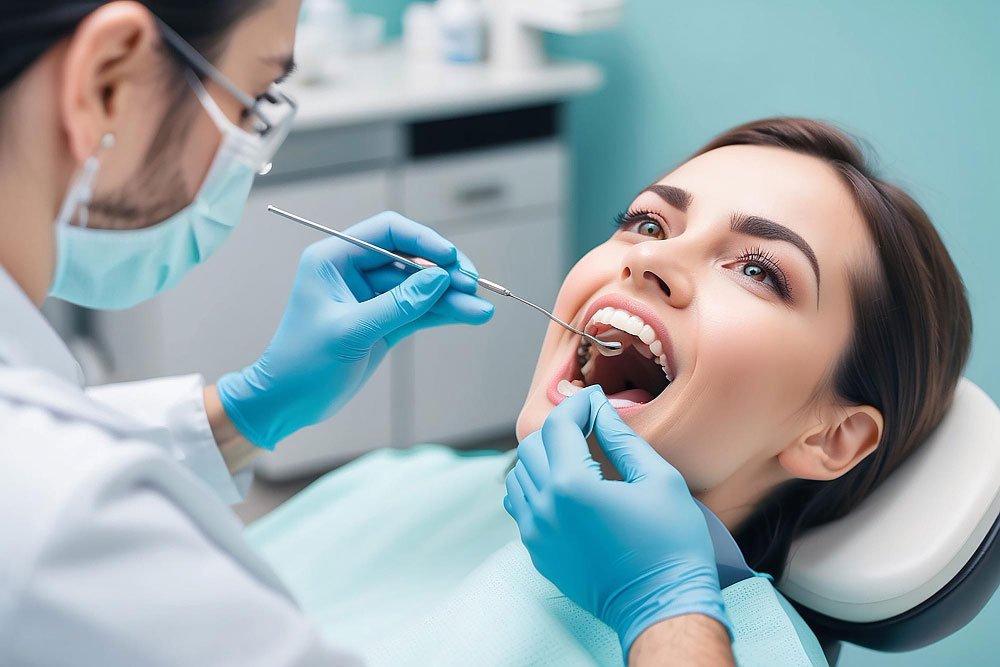
Orthodontic Services We Offer

- Metal Braces:
- Metal Braces races are one of the most reliable orthodontic treatments for correcting crowded teeth, spacing, and bite problems. They may be recommended for children, teens, and adults, especially when precise tooth movement or more complex correction is needed.
- Clear Braces:
- Clear braces are another type of dental treatment that uses clear or tooth-colored brackets and wires to straighten teeth, offering a more discreet alternative to metal braces for teens and adults.
- Invisalign:
- Invisalign uses clear, removable aligners to gradually straighten teeth. It can be a good option for teens and adults who want a more discreet way to improve their smile, depending on the complexity of the case.
- Early Orthodontic Treatment:
- Some children benefit from an orthodontic evaluation while their jaws and teeth are still developing. Early treatment may help guide growth, create space for permanent teeth, or address bite issues before they become more difficult to correct.
Additional Orthodontic Appliances
- LightForce Custom Bracest:
- LightForce uses advanced digital planning and fully customized 3D-printed braces designed for each patient’s teeth. This technology allows for a more personalized orthodontic treatment experience and may help improve precision and efficiency in appropriate cases.
- Palatal Expanders:
- A palatal expander may be recommended for growing children, teens, or select adult patients when additional space is needed in the upper jaw. By gently widening the palate, this appliance can help improve bite development, create room for permanent teeth, and support better jaw alignment.
- Retainers:
- Retainers are an important part of maintaining your results after active orthodontic treatment. They help keep teeth in their new positions and reduce the risk of shifting over time.
- Additional Orthodontic Appliances:
- Some patients may benefit from specialized appliances designed to support jaw growth, improve bite relationships, or assist with specific tooth movements. Depending on your needs, your orthodontist may recommend elastics, expanders, or other customized orthodontic devices as part of your treatment plan.
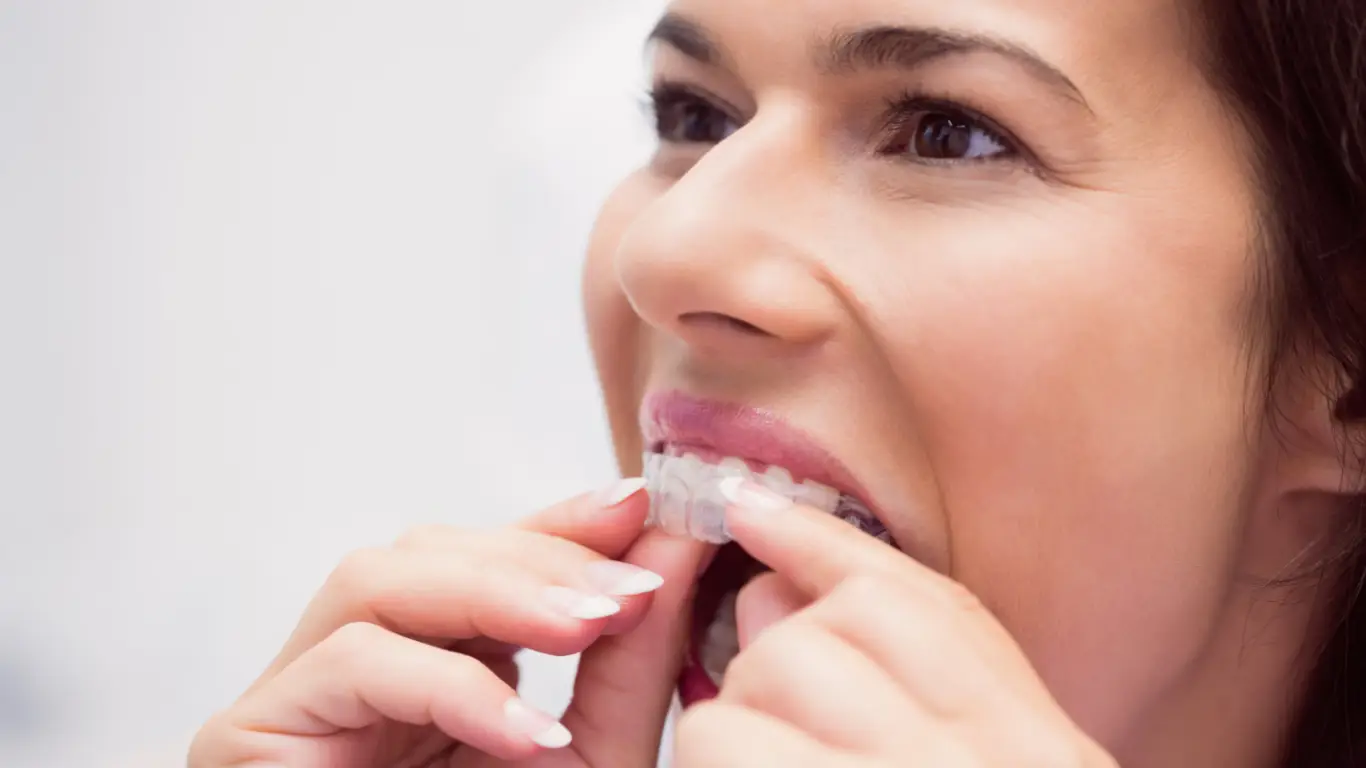
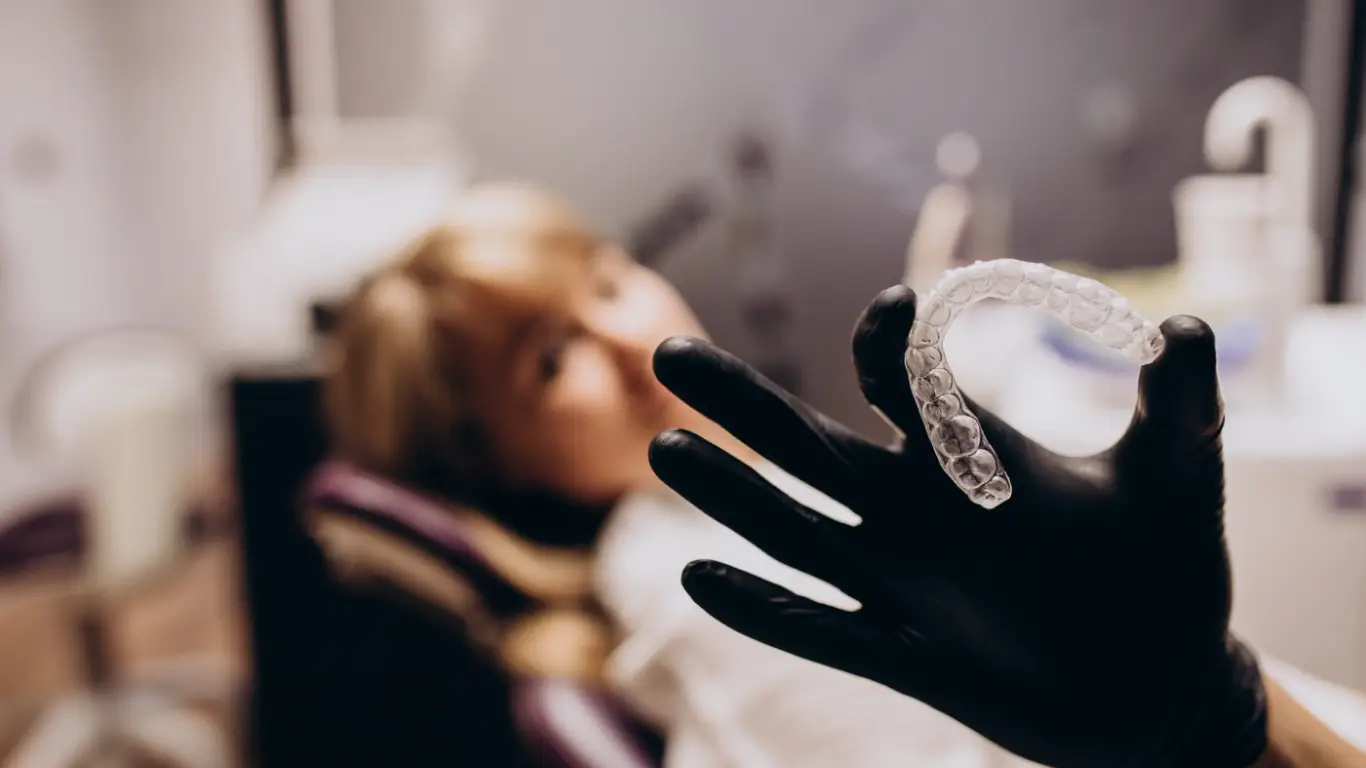
Invisalign vs Braces: Which Option Is Better?
This is one of the most common questions we hear.
The truth is that both Invisalign and braces can produce excellent results when used for the right case.
Invisalign may be a great choice if:
- You prefer a nearly invisible treatment option
- You can wear aligners consistently as instructed
- Your orthodontic needs are mild to moderate
Braces may be the better choice if:
- Your case requires more complex tooth movement
- Significant bite correction is needed
- A fixed appliance would provide greater treatment control
The best option depends on your individual smile, bite, and treatment goals. During your consultation, we'll explain the advantages of each approach and help you make an informed decision.
How Long Does Orthodontic Treatment Take?
Treatment time varies from patient to patient.
Most orthodontic treatments take between 12 and 30 months, depending on factors such as:
- The complexity of the case
- The type of treatment selected
- Growth and development considerations
- Patient compliance with treatment instructions
Some patients may complete treatment sooner, while more complex cases may require additional time.
Our goal is always to achieve the best possible result as efficiently as possible without compromising long-term stability.
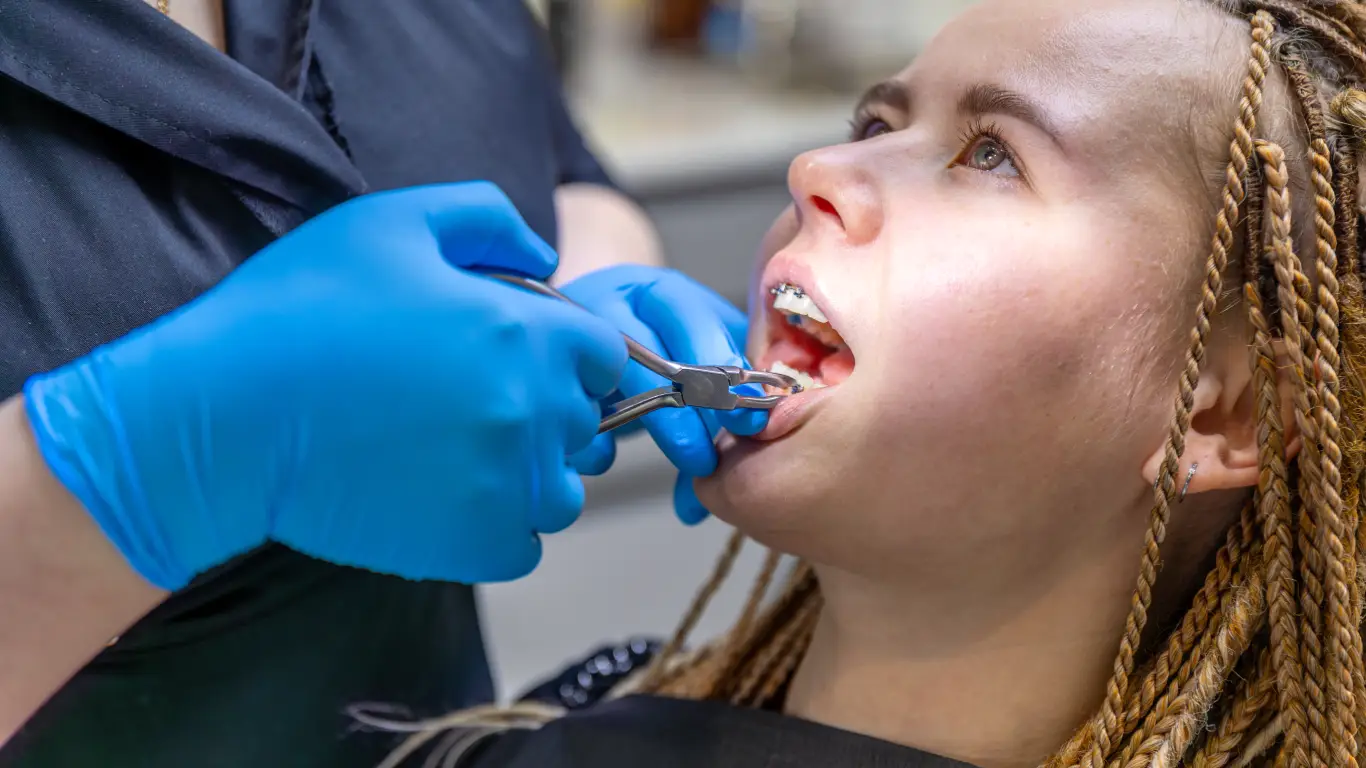
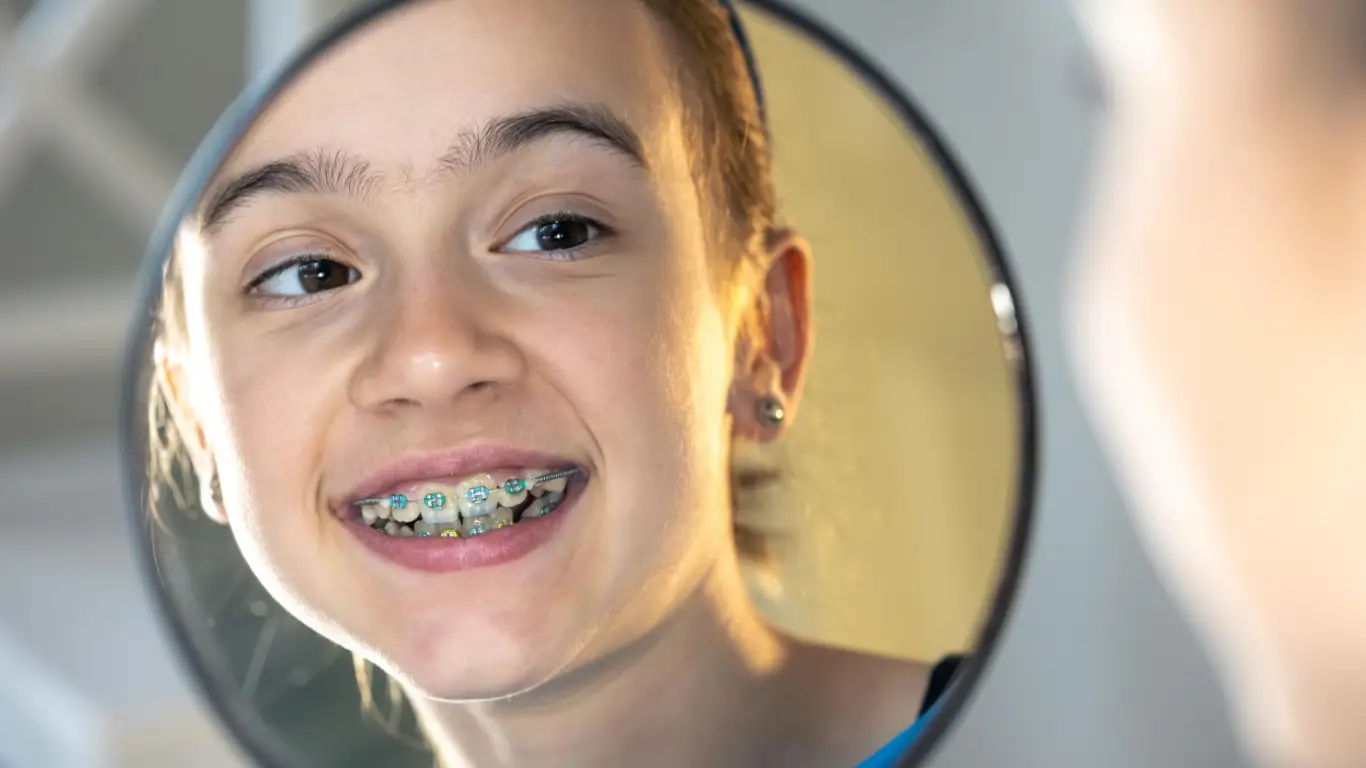
Two-Phase Orthodontic Treatment for Children
Some children benefit from a treatment approach known as two-phase orthodontic treatment.
What Is Two-Phase Treatment?
Two-phase treatment involves an initial stage of orthodontic care while a child is still growing, followed by a second stage after more permanent teeth have erupted.
The purpose is not simply to straighten teeth earlier. In certain cases, it allows us to guide jaw development, create space for incoming teeth, and address bite issues before they become more severe.
When Might It Be Recommended?
Two-phase treatment may be considered for children with:
- Significant crowding
- Crossbites
- Jaw growth discrepancies
- Severe bite concerns
- Emerging orthodontic issues that may worsen over time
Not every child requires two-phase treatment. A consultation can help determine whether early intervention would be beneficial.
Two-Phase Orthodontic Treatment for Children
Orthodontic treatment can help patients with:
- Crowded or overlapping teeth
- Gaps between teeth
- Overbite, underbite, or crossbite
- Jaw alignment concerns
- Teeth that are difficult to clean
- Smile concerns affecting confidence
Treatment is not only for children or teens. Many adults also choose orthodontic care to improve their smile, bite, and oral health.
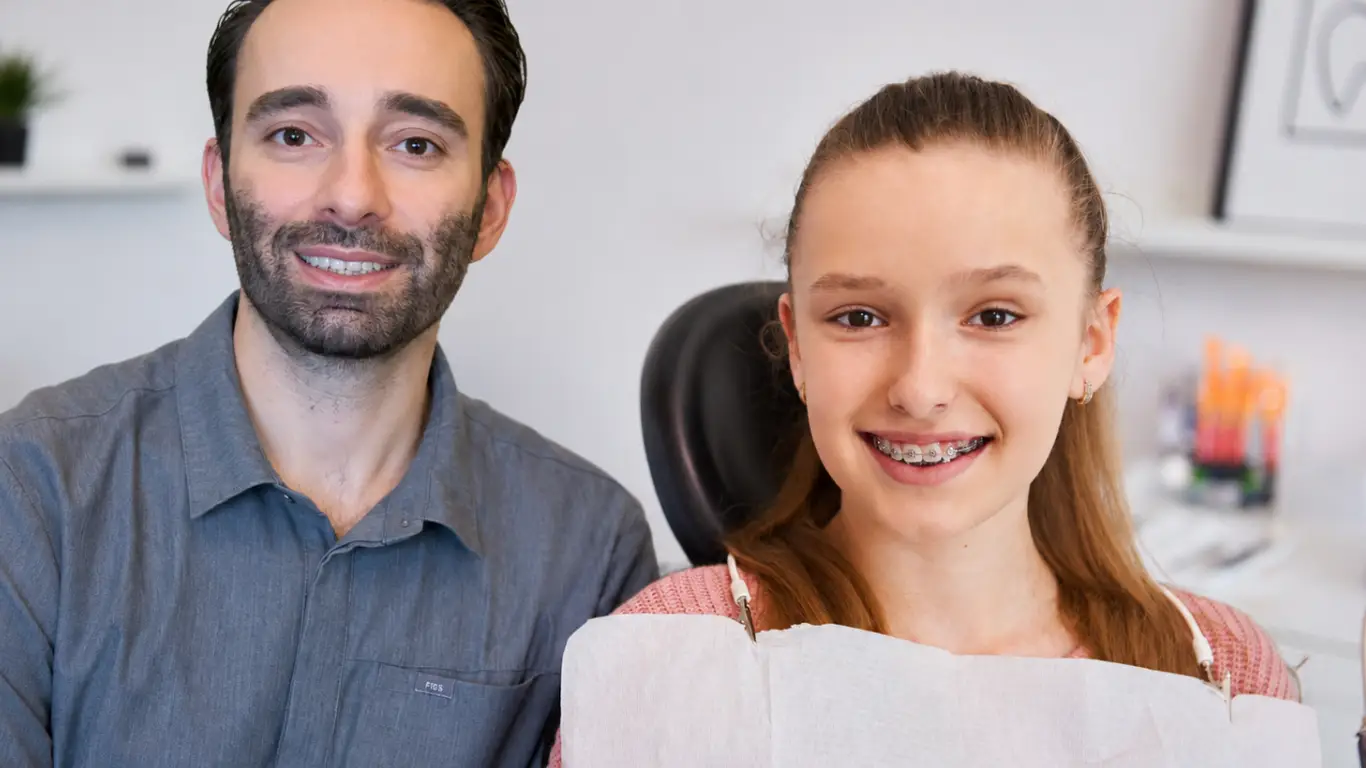
Invisalign vs Braces which Is Better?
Both Invisalign and braces can create excellent results. The better option depends on your teeth, bite, lifestyle, and treatment goals.
Invisalign may be ideal for patients who want a nearly invisible and removable option. Braces may be recommended for more complex cases or when fixed appliances provide better control.
During your consultation, we will explain your options clearly and help you choose the treatment that is most appropriate for your case.
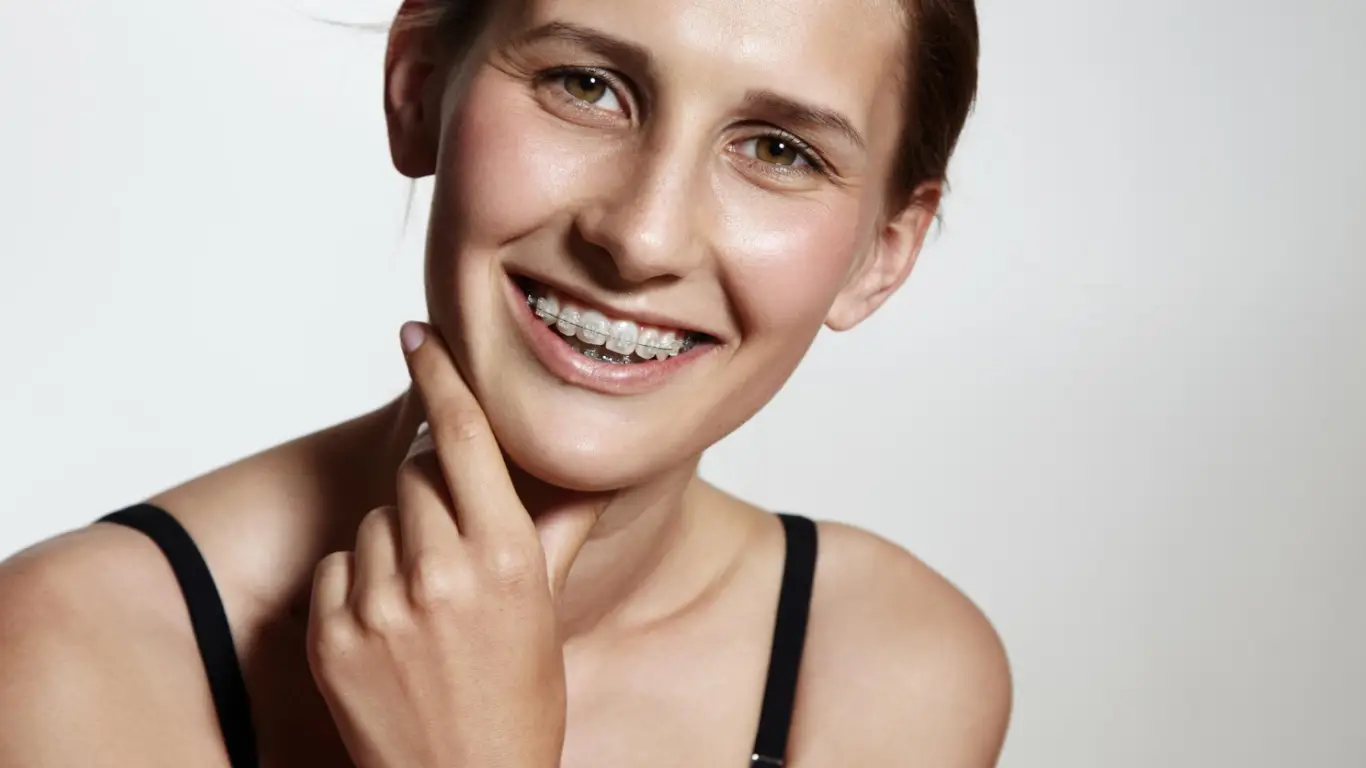
How Much Do Braces Cost?
The cost of orthodontic treatment varies based on the complexity of the case, treatment duration, and the type of appliance selected.
Because every smile is unique, the most accurate way to determine cost is through a consultation and customized treatment plan.
Many patients are surprised to learn that orthodontic treatment may be more affordable than expected through a combination of insurance benefits, flexible payment options, and financing plans.
Can I Get Braces if I'm Switching Jobs and Losing Insurance?
Life circumstances change, and many patients begin or continue treatment while transitioning between insurance plans.
If you're changing jobs, losing coverage, or paying privately, our team can help review available payment options and discuss solutions that fit your situation.
Why Families Choose York Orthodontics
Choosing an orthodontic provider is an important decision.
Patients throughout North York, Thornhill, and the Greater Toronto Area trust York Orthodontics because we focus on delivering personalized care, clear communication, and treatment plans designed around each patient's unique needs.
We are committed to:
- Individualized treatment planning
- Advanced orthodontic technology
- Comprehensive care for children, teens, and adults
- A comfortable and welcoming patient experience
- Results that support both function and aesthetics
Our goal is not simply to straighten teeth. It is to create healthy, confident smiles that last.
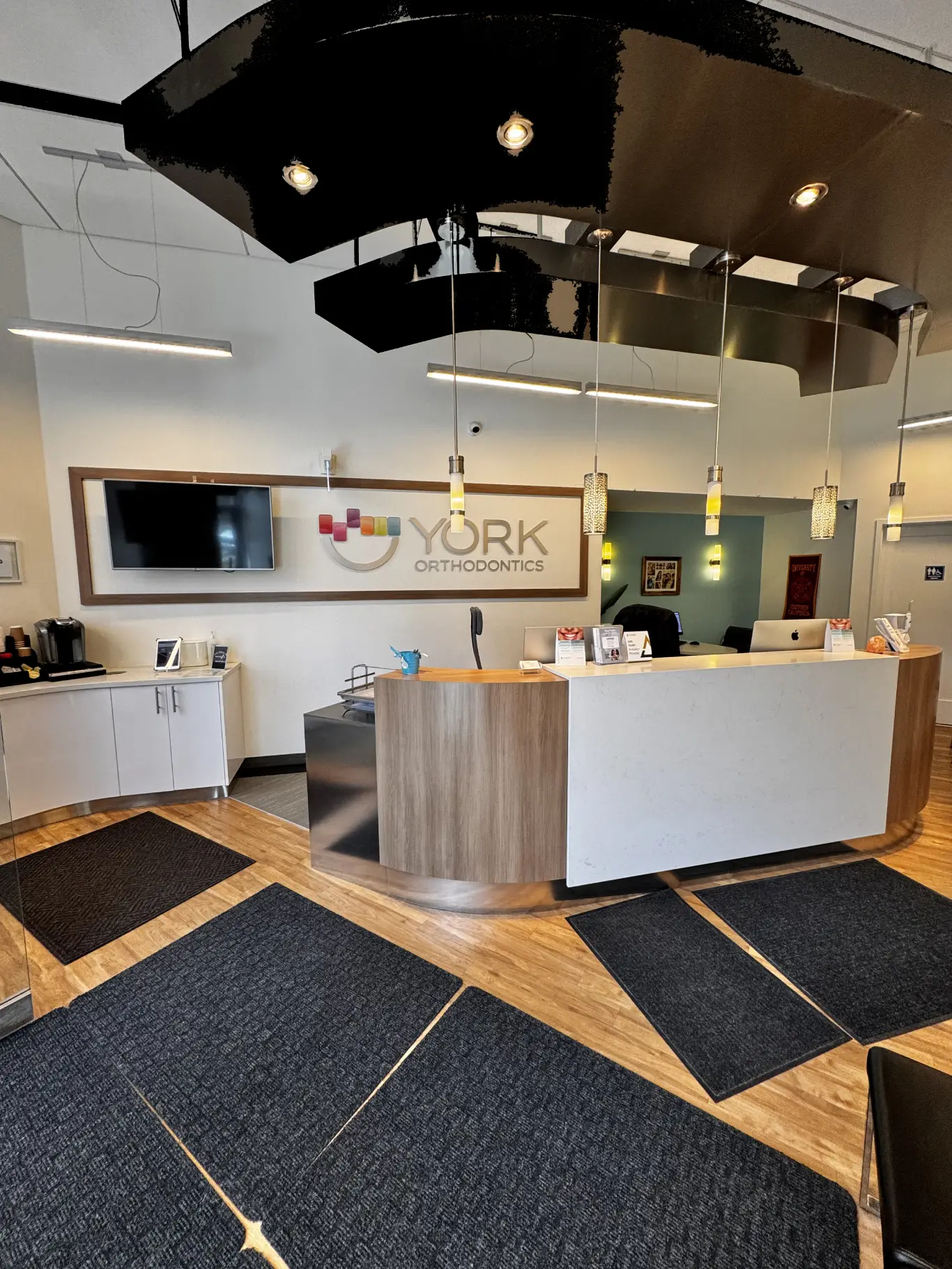
Frequently Asked Questions
We offer a range of orthodontic treatments, including braces, Invisalign, early orthodontic treatment, and customized treatment plans for children, teens, and adults.
Many children benefit from an orthodontic evaluation around age seven. This allows potential growth and bite concerns to be identified early, even if treatment is not immediately needed.
Absolutely. Orthodontic treatment is increasingly popular among adults, and many patients choose options such as Invisalign for a discreet treatment experience.
Most patients experience mild discomfort when treatment begins or after adjustments. This discomfort is usually temporary and improves within a few days.
Orthodontic treatment can cause some discomfort, but it is generally not painful. You may experience some soreness or tenderness in your teeth and gums after the brace's adjustments, but this typically subsides within a few days. Mild over-the-counter pain relievers can help alleviate any discomfort.
Appointment frequency depends on the treatment being provided. Most patients visit approximately every six to ten weeks for monitoring and adjustments.
Straight teeth are generally easier to clean and maintain. In many cases, orthodontic treatment can improve bite function and contribute to better long-term oral health.